



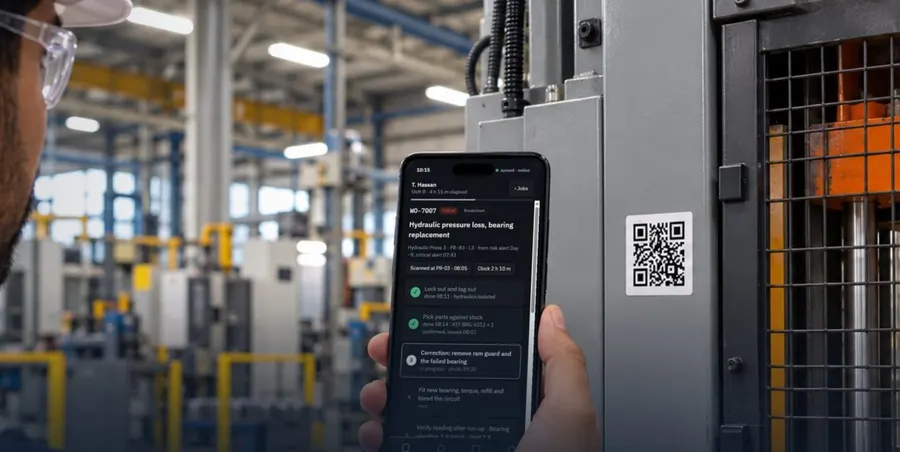
Sub-metering in Qatar
Smart metering for electricity, water and chilled water: a meter on every tenant, floor and plant system, read remotely, with each bill built from the readings and checked before it goes out.
Last updated
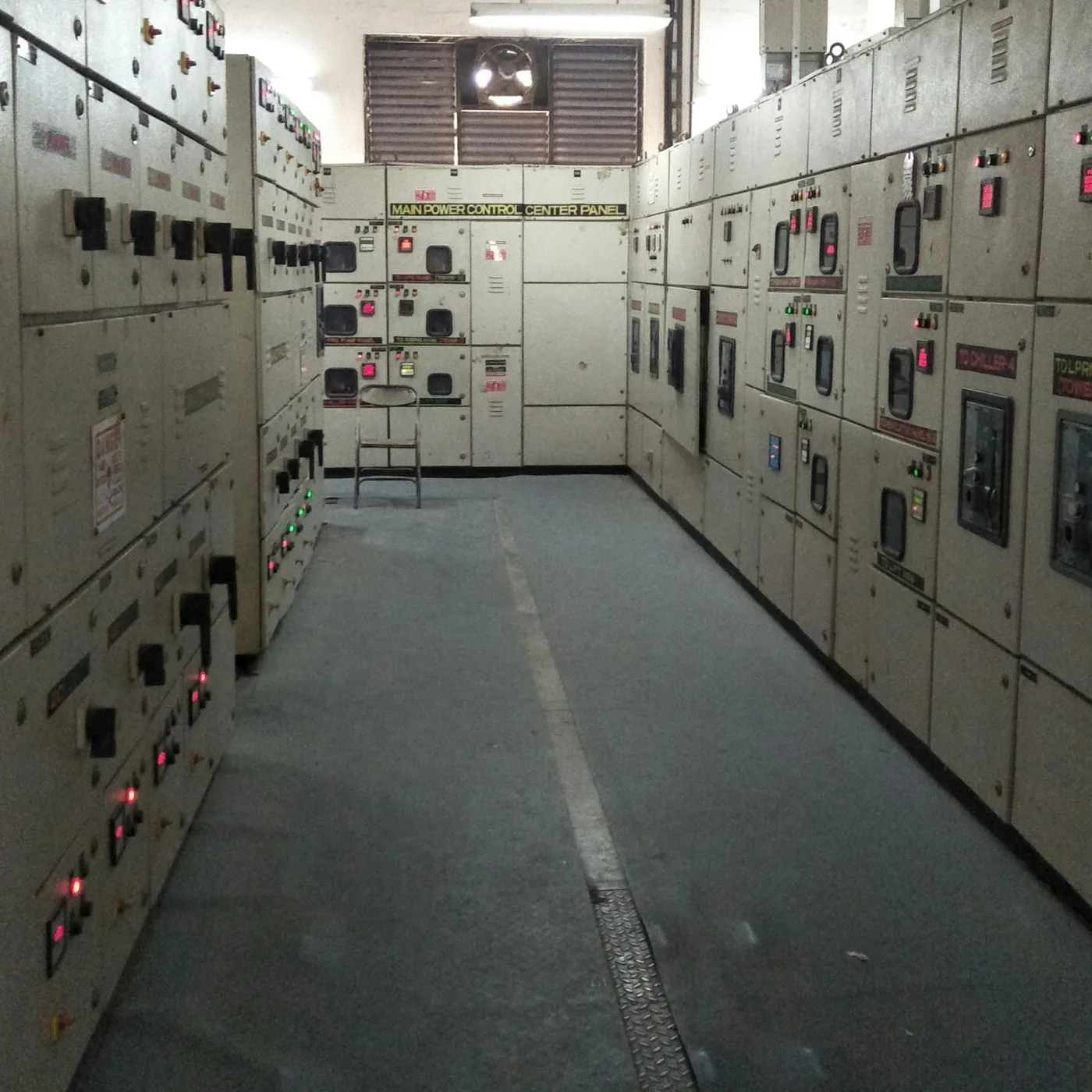
What is sub-metering?
Sub-metering means installing meters after the utility's main meter, so electricity, water and chilled water are measured for each tenant, floor or system instead of only for the whole building. Each tenant then pays for what they used, and the owner sees where the energy goes and what nobody is paying for.
Smart metering is how the meters are read: remotely, every few minutes. Sub-metering is where they sit. In a Qatar tower that means electricity and water from Kahramaa, billed on consumption slabs (Gulf Times), and chilled water from a district cooling provider, measured with a BTU meter.
Split by floor area
One bill shared by square metre. Tenants who work short hours pay for the one who runs all night.
Manual meter rounds
Meters read once a month. Bills go out late and a misread digit becomes a dispute.
Smart sub-metering
Every meter read remotely and checked against the main. Unusual use caught in days.
Sound familiar?
What landlords, facility managers and finance teams in Qatar tell us before we start.
"Tenants dispute the cooling bill, and we can't prove it."
In some towers chilled water is measured once for the building and divided up. When a tenant asks why their share went up, there is no reading to show them.
"We pay a capacity charge whether the floors are full or empty."
District cooling bills typically combine a fixed capacity charge with a consumption charge (Qatar Living). Without peak data per tenant, nobody knows if the contracted capacity still fits.
"The main meter never matches the sub-meters."
A fit-out on a temporary supply, a meter that stopped reporting. The gap is energy the owner pays for and nobody recharges.
What each meter measures, and what it settles.
The meters a multi-tenant building in Qatar usually needs first.
| Meter | What it measures | What it settles |
|---|---|---|
| BTU meter per tenant | Chilled water energy in kWh or ton-hours | Each tenant's share of the district cooling bill |
| Main BTU meter at the ETS | Total cooling energy and peak load in TR | Whether the contracted capacity still fits |
| Electricity meter per tenant | kWh, peak kW and power factor | Electricity recharges and after-hours use |
| Electricity meters by system | Pumps, AHUs, lifts, car park fans | Service charges split by real use |
| Water meters by riser | m³ by day, and flow from 01:00 to 04:00 | Leaks, caught by night flow |
| Main incomer against sub-meters | The difference between the two | Unmetered loss nobody is billing |
How a BTU meter works out chilled water energy.
A BTU meter multiplies how much water passed by how much heat it picked up on the way. For example, 2 L/s of chilled water warming by 5.5 °C is 1,000 × 0.002 × 4.2 × 5.5 = 46.2 kW of cooling, about 13.1 TR. Run for an hour, that is 46.2 kWh, or 13.1 ton-hours.
| Quantity | Symbol and unit | Where it comes from |
|---|---|---|
| Flow of chilled water | V, in m³/s (often shown as L/s) | Flow sensor in the pipe |
| Temperature difference | ΔT = return minus supply, in °C | Paired sensors on supply and return |
| Density of water | ρ ≈ 1,000 kg/m³ | Constant |
| Specific heat of water | c ≈ 4.2 kJ/kg·°C | Constant |
| Cooling power | Q = ρ × V × c × ΔT, in kW | The meter's calculator |
| Tons of refrigeration | TR = kW ÷ 3.52 (1 TR = 12,000 BTU/h) | Conversion |
| Energy for the bill | kWh or ton-hours (TRh): power summed over time | The meter's register, read remotely |
Formula and constants as set out by Aircond Lounge. In Lusail, Marafeq Qatar's district cooling sub-meter system guideline asks for an ultrasonic sub-meter per tenant, calculating energy to EN 1434 and read over M-Bus into an AMR system.
How it works on Quoriam.
From the meter in the riser to the tenant's statement, on one platform.
Connect
Read the meters you have over M-Bus, Modbus or BACnet, and fit new ones where there are gaps.
Build the tree
Place each meter with its tenant, floor and tariff, so the sub-meters are checked against the main.
Watch
A unit more than 15% above the same week last month, a peak near the contracted limit or water flowing at 3 am raises an alert.
Bill
Statements are built from readings and lease rates. A bill that looks wrong is held for review, with the evidence attached.
System view
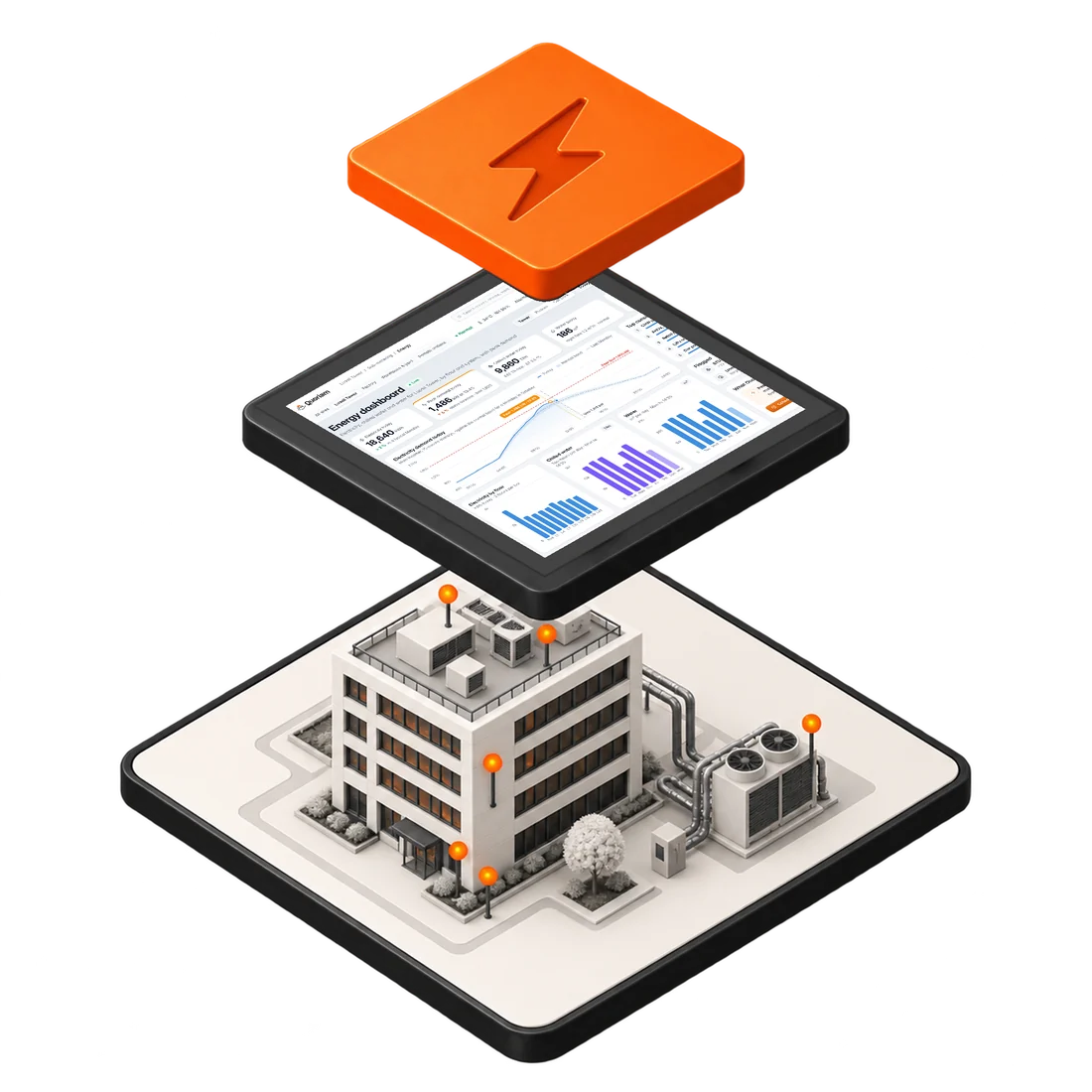
For IT, OT and security reviewers: where the data goes, and how.
- At the metersBTU, electricity and water meters, existing and new
- In the riser or meter roomM-Bus master or edge gateway reading meters over M-Bus, Modbus or BACnet
- NetworkSite LAN or cellular, encrypted and kept apart from the control network
- Quoriam platformOn your premises or cloud hosted in Qatar
- Your team and systemsApp, SMS and email alerts; tenant statements; exports to billing and finance
What your team sees.
Every meter in one tree, and every bill checked before it goes out.
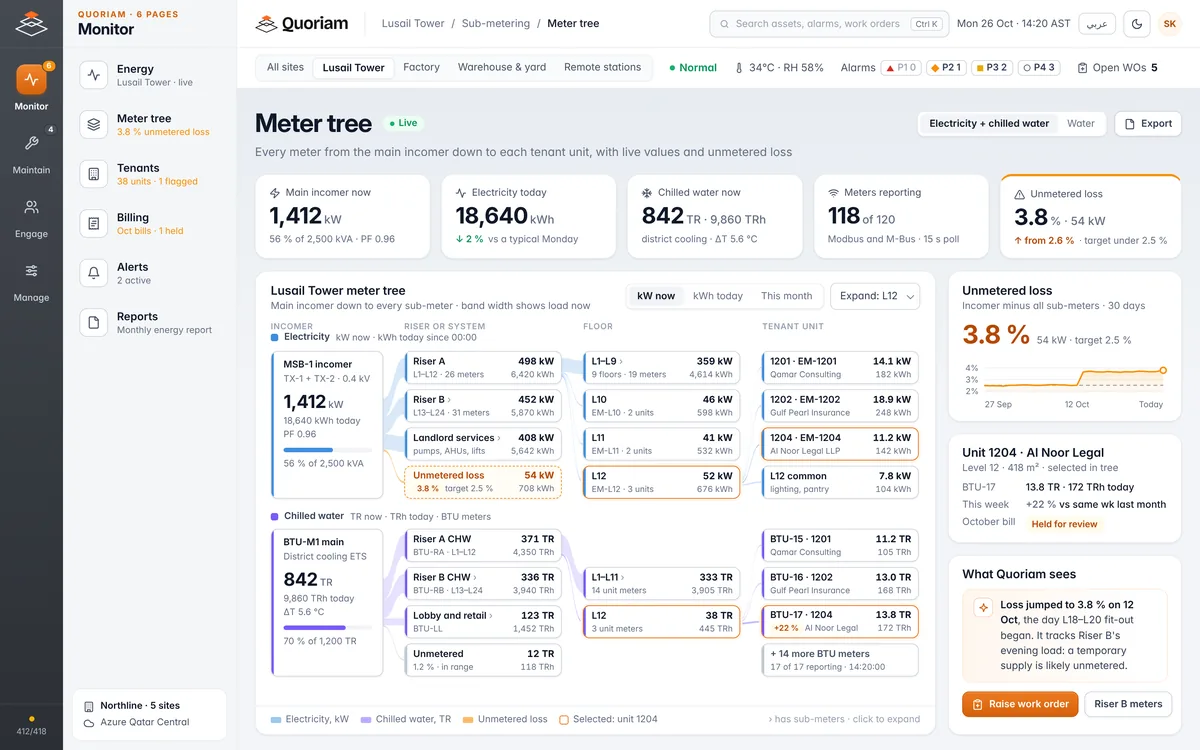
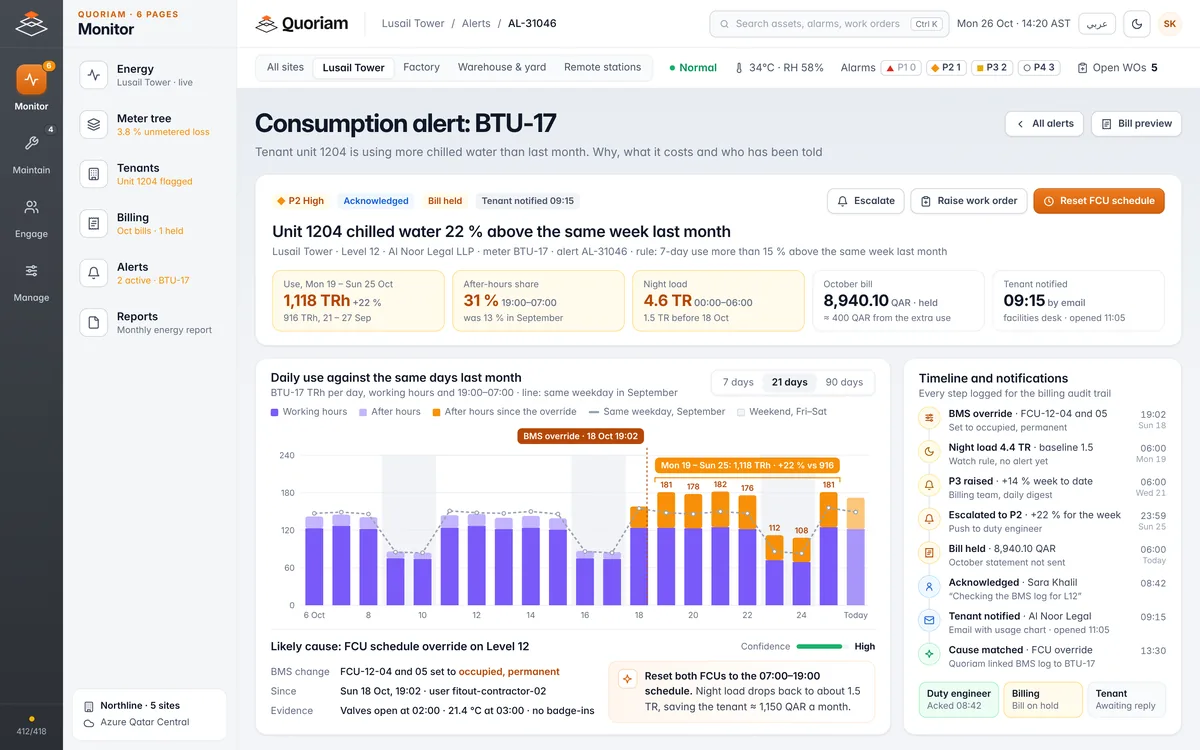
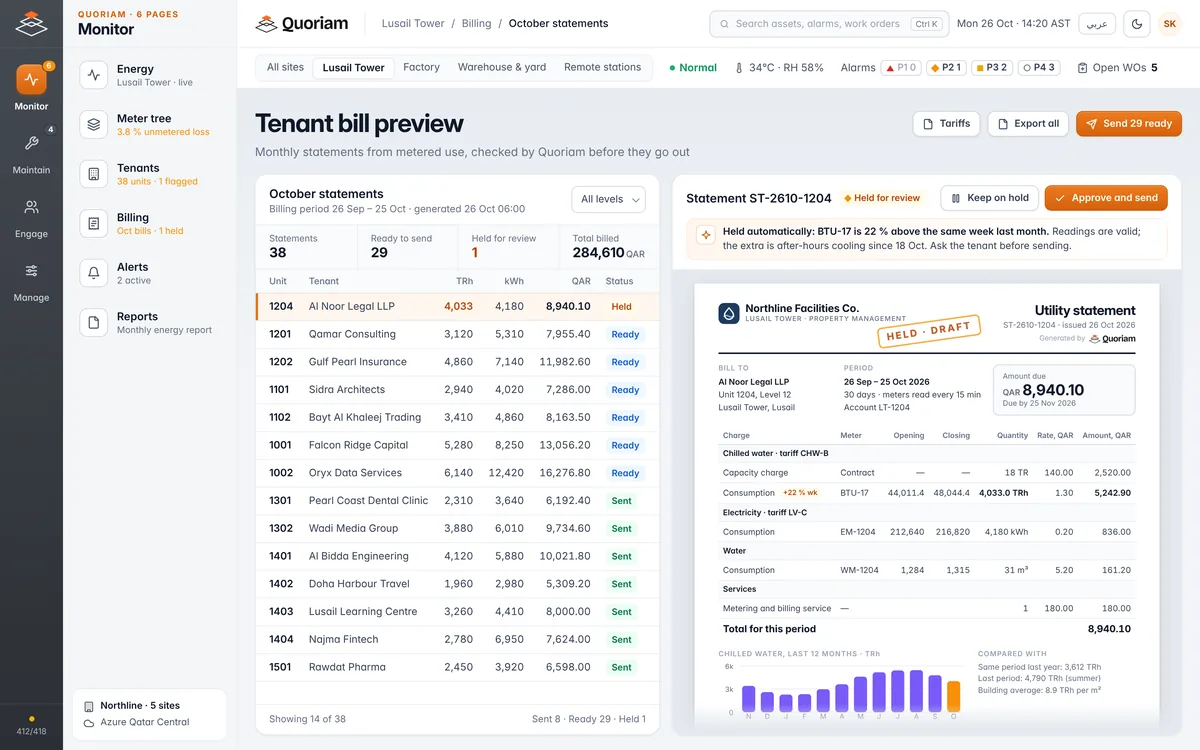
Or just ask.
Quoriam AI answers questions about your meters in plain language and turns the answer into an action.
Sub-metering use cases.
Start with the meter that settles your most expensive argument.
- Water leak detection
Leak sensors and night-flow checks that catch a burst before the flood or the bill.
- HVAC and energy optimisation
Cooling matched to occupancy and weather, measured against the meter.
- BTU and chilled water metering
Chilled water energy measured per tenant or building, read remotely and billed on evidence.
- Water metering
Smart water meters read remotely, with consumption by building, floor or unit.
- Tenant billing
Monthly utility bills per tenant, built from meter readings with an audit trail.
Hardware and integrations.
We read the meters you already have and fit new ones where nothing is measured.
- BTU metersUltrasonic flow sensor with paired supply and return temperature sensors
- Electricity metersOn tenant boards, main incomers and plant panels
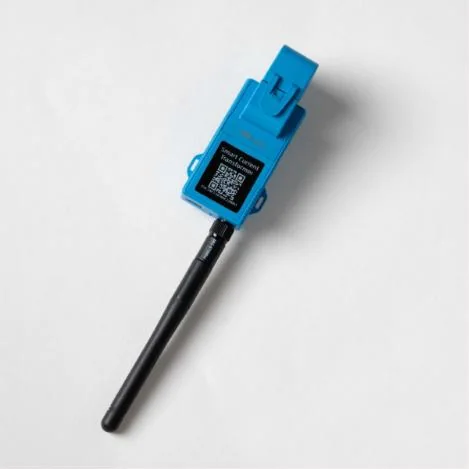
- Water metersBy riser, floor or unit, with pulse or M-Bus output
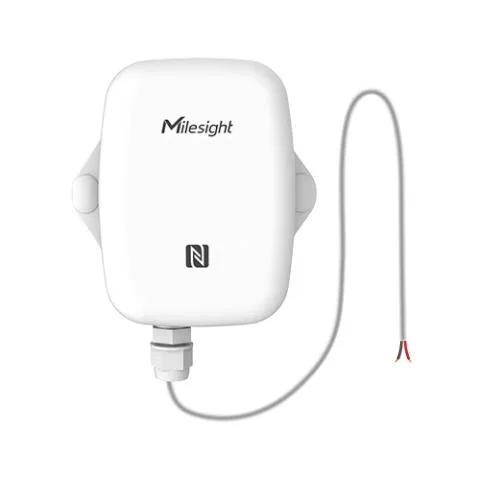
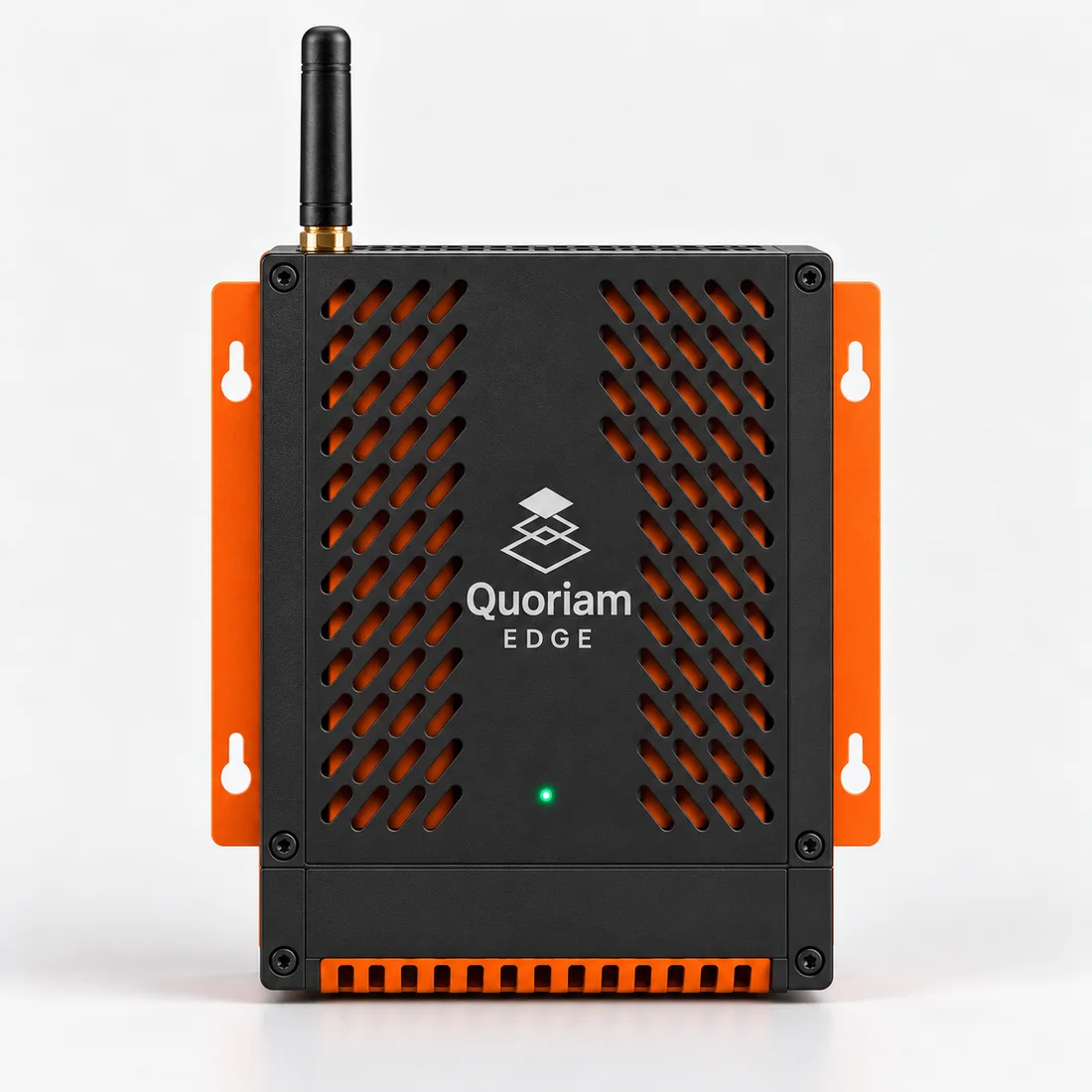
- GatewaysQuoriam Edge QE35, or an M-Bus master per riser
- Reads from
- Meters over M-Bus, Modbus or pulse; the BMS and ETS controllers over BACnet or Modbus
- Existing AMR
- An AMR system already in place, where it exports readings
- Bills to
- Quoriam statements, or your billing or ERP system
- Alerts by
- Quoriam app, SMS and email, with escalation if nobody responds
Hardware agnostic. Makes we fit includeMilesightFootfallCamTeltonikaAdvantechWe can work with any maker and choose the device for each site. The platform reads them all.
What a first deployment covers.
Most buildings start with chilled water and electricity, where the money and the disputes are.
Example scope: a 40-storey office tower
What a first deployment typically measures. An example, not a project result.
- District cooling: the main BTU meter at the energy transfer station
- Each tenant unit: a BTU meter and an electricity meter
- Landlord services: electricity for chilled water pumps, AHUs, lifts and car park ventilation
- Water: main and riser meters, with a nightly night-flow check
- One M-Bus master or gateway per riser or meter room, connected to the platform
- Monthly statements for every tenant, with unusual bills held for review
Where it's used.
The same platform, set up in each industry's terms.
Questions buyers ask.
Something else? Ask us during the free assessment.
What is the difference between smart metering and sub-metering?
Smart metering is how a meter is read: remotely and often, instead of by hand once a month. Sub-metering is where meters sit: after the main utility meter, on each tenant, floor or system. Quoriam does both.
How many meters does a building need?
One BTU meter and one electricity meter per unit you bill separately, plus meters on the main supplies and largest landlord systems so the tree adds up. The free assessment counts it for your building.
Can you use the meters we already have?
Usually. Meters with an M-Bus, Modbus or pulse output are read directly; the rest are replaced or read through an existing AMR system. We check every meter in the assessment before we quote.
How is chilled water billed in Qatar?
District cooling bills typically combine a fixed capacity charge with a consumption charge in refrigeration ton-hours (Qatar Living). Quoriam bills each tenant from their own meter, with the rates and capacity in their lease.
How do you make sure the bills are right?
Meters meet the standard your developer requires; in Lusail, Marafeq's guideline calls for EN 1434. Sub-meters are checked against the main every day, and unusually high bills are held for review.
What does it cost?
It depends on how many meters you have and how many need replacing. The free three-week assessment ends with a meter survey, a scope and a fixed price for your building.
Add next on the same platform.
Every solution plugs into the one you start with. One login, one set of alarms.
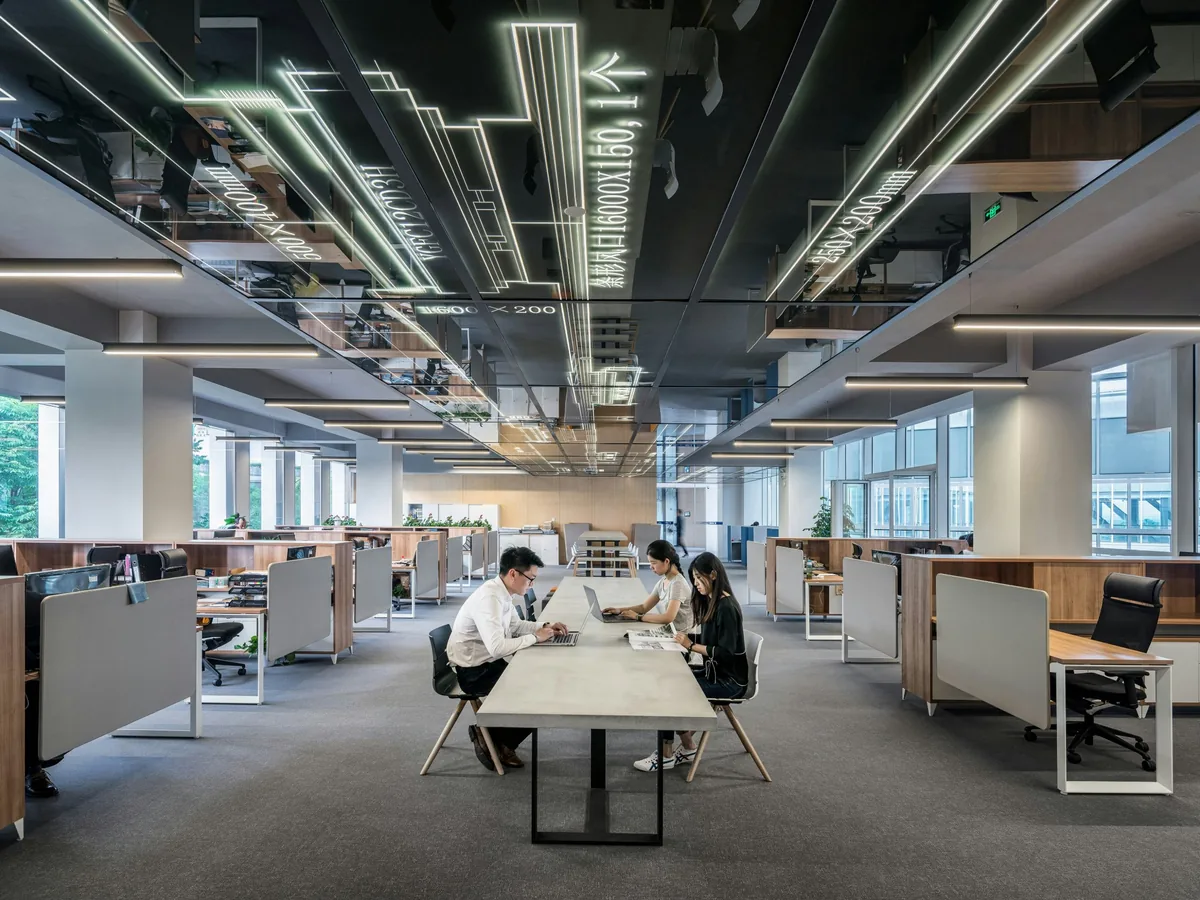 Level 5 62% occupied
Occupancy and people counting
See how floors, rooms and desks are really used, then cool and clean to match.
 Station 2 44 °C, RH 18%
Environmental monitoring
Log temperature, humidity and air quality in cold rooms, warehouses and offices, ready for audit.
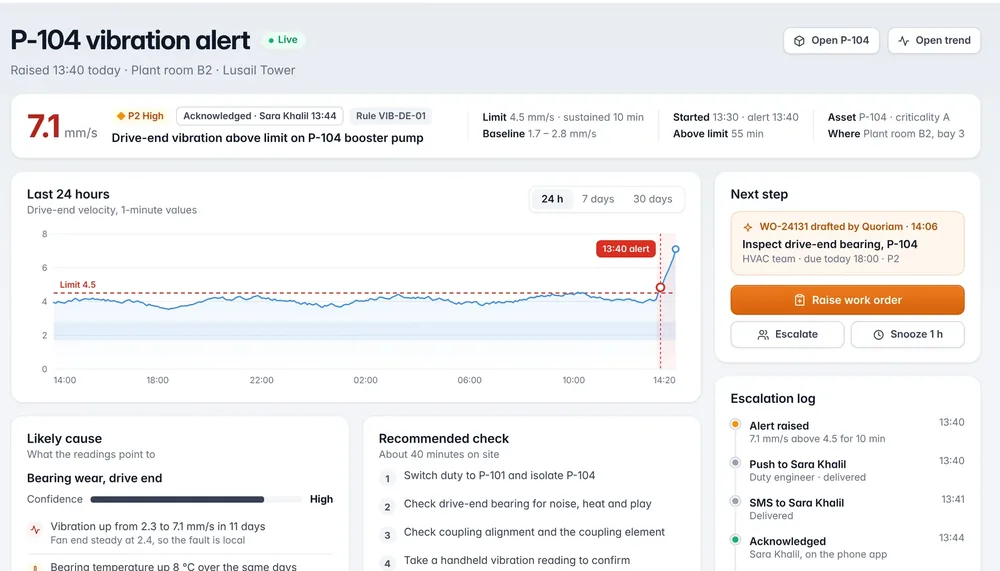
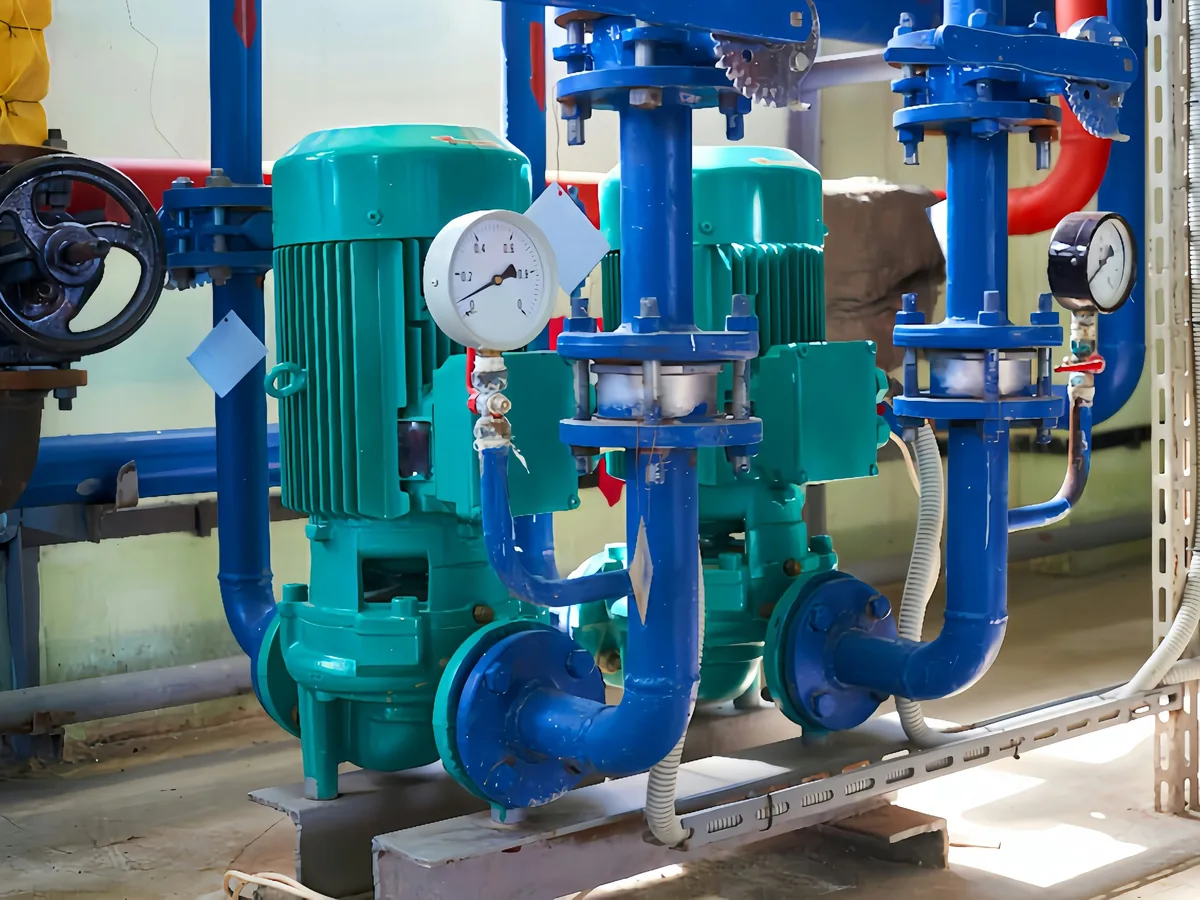 P-104 Vibration 7.1 mm/s
Predictive maintenance
Catch bearing wear, overheating and imbalance weeks before a pump, motor or chiller fails.
Start with a pilot.
Prove it on one building before the whole portfolio.
- Meters in one building, chosen with your team in the assessment
- Gateways and any missing meters supplied, fitted and commissioned by our engineers
- How long it runs is agreed with you, typically around eight weeks
- The results to look for are agreed at the start and reviewed with you at the end
Find out where your energy goes first.
A free three-week assessment. We survey your meters and the readings you already have, then deliver a report on unbilled use and a plan to meter the gaps.
We take on two assessments a month.Quoriam is designed to pay back within six months. How we calculate payback