




- Home
- Industries
- Manufacturing
IoT for Manufacturing in Qatar
Line status, OEE, downtime reasons and machine health from the PLCs and machines you already run, for food, building materials, chemicals and packaging plants in Qatar and the GCC.
Last updated

What is IoT for manufacturing?
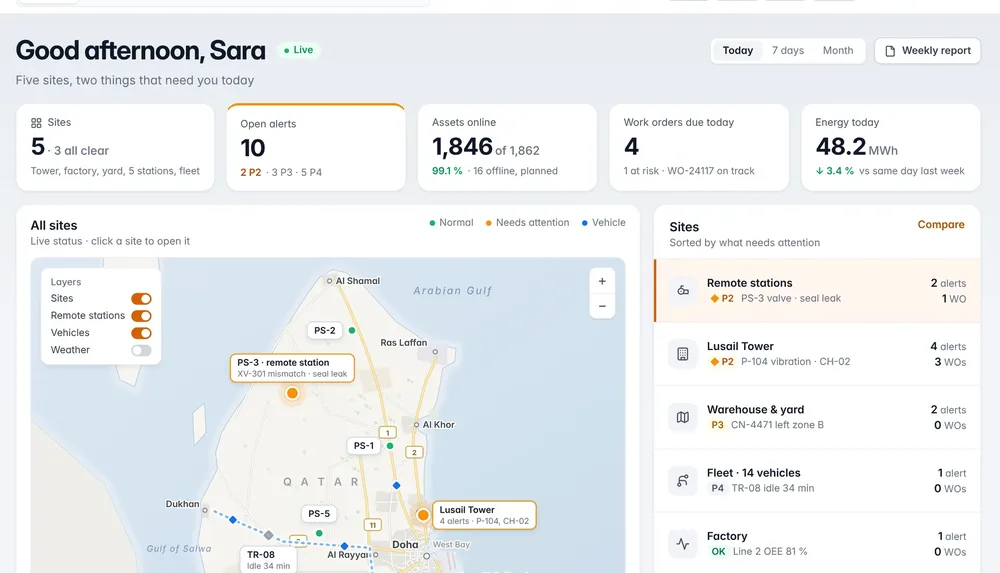
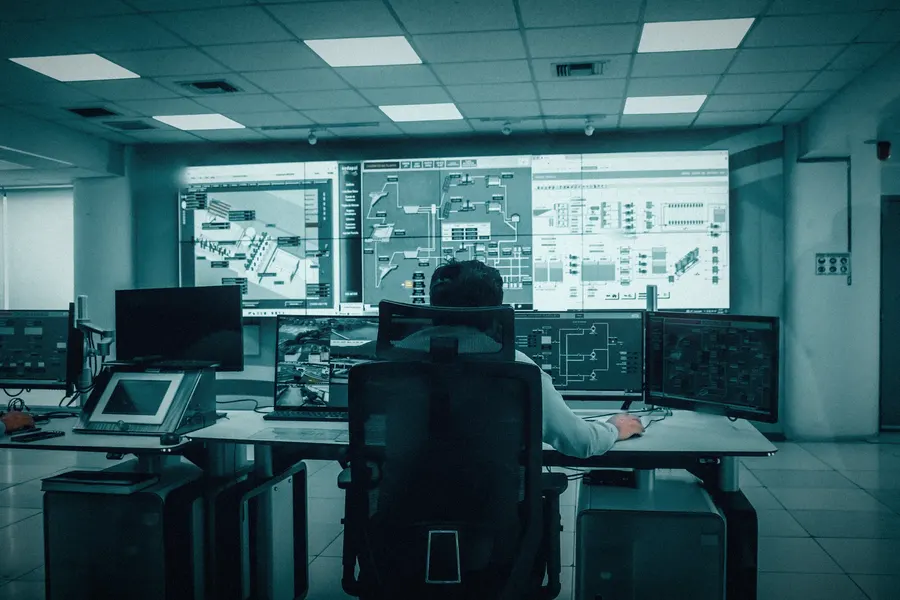
IoT for manufacturing connects the machines and PLCs on the factory floor to one platform, so managers see what every line is doing now, why it stopped, and which machine is wearing out. Decisions move from the end-of-shift report to the moment it happens.
Most plants already collect the data. It sits in PLCs on the line, in counters nobody reads and in a shift report typed up the next morning. IoT for manufacturing reads it as it happens, without touching the control logic, and adds sensors where the machines that matter have none.
On Quoriam that becomes factory intelligence for the lines and predictive maintenance for the machines, on the same screens.
What goes wrong.
What production and maintenance managers tell us before we start.
"We find out what went wrong at the morning meeting."
The shift report arrives a day late, typed from memory. Short stops never make it in, and the biggest losses are the ones nobody wrote down.
"Every line says it hit its target."
Without a common measure, each line reports its own way. OEE calculated the same way on every line, from the PLC, ends the argument.
"The kiln failed in the middle of a run."
One unplanned stop on a critical machine can cost more than a month of planned maintenance. The warning signs were there in its vibration and temperature for weeks.
Solutions for manufacturing.
Start with the line or the machine that costs you most.
 Line 2 OEE 81%
Factory intelligence
Live line status, OEE and downtime reasons from the PLCs you already run.
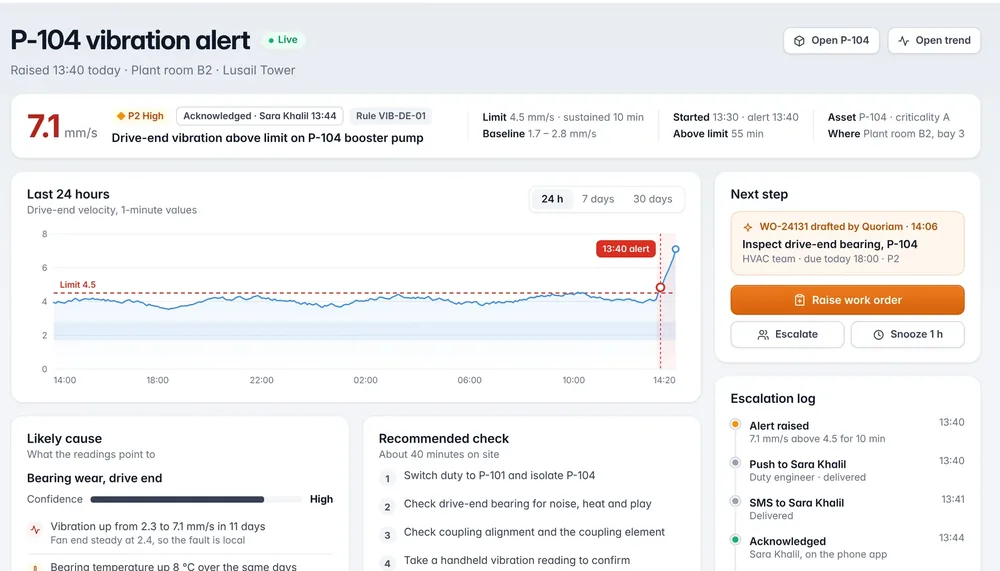
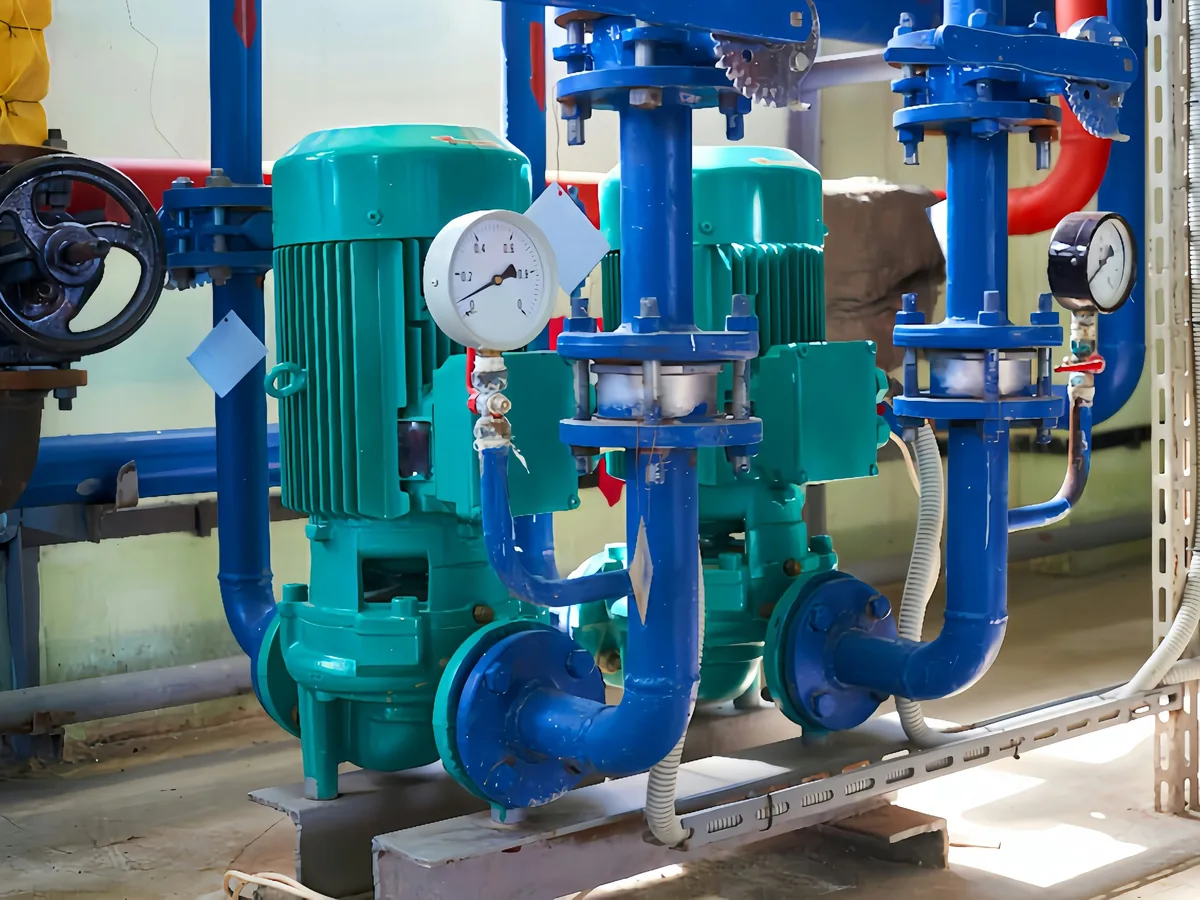 P-104 Vibration 7.1 mm/s
Predictive maintenance
Catch bearing wear, overheating and imbalance weeks before a pump, motor or chiller fails.
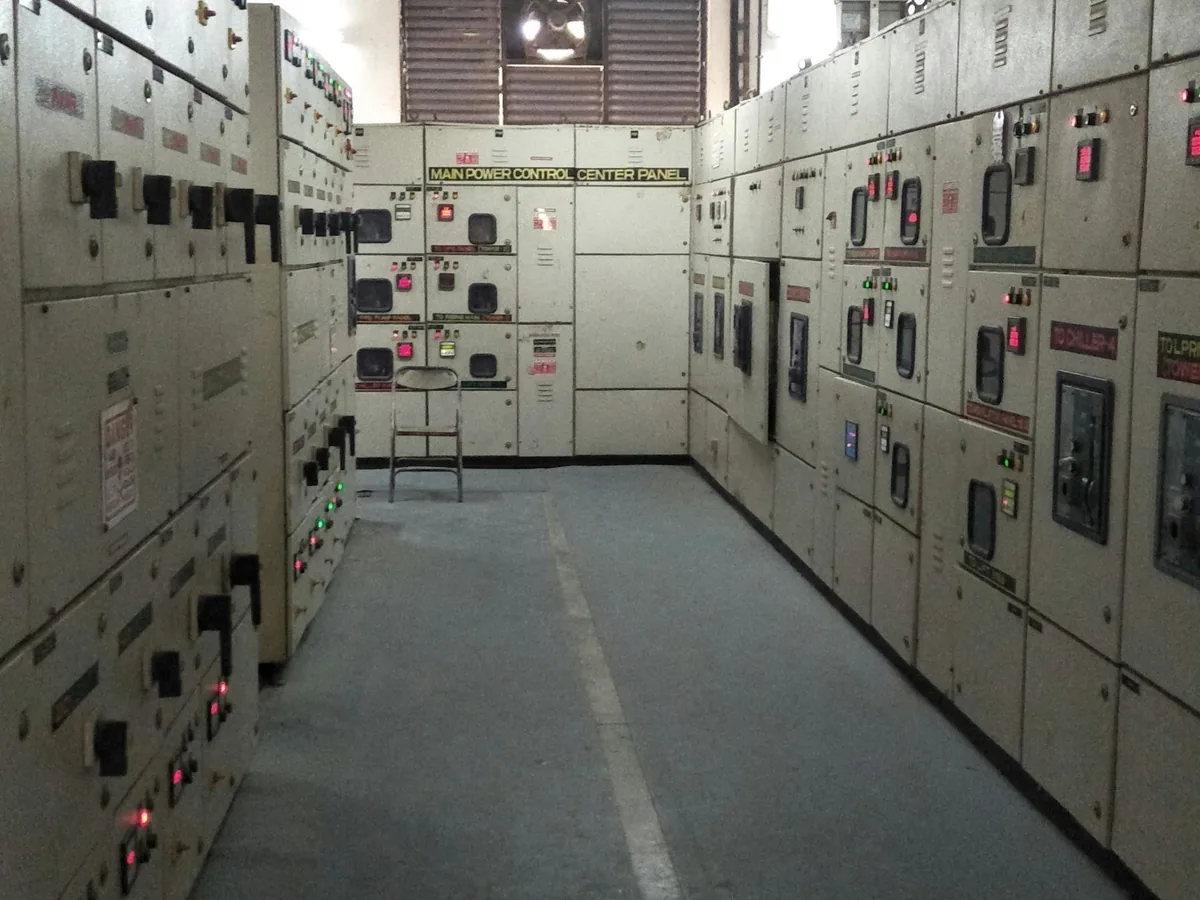 BTU-17 +22% on last month
Smart metering and sub-metering
Meter electricity, water and chilled water by tenant or line, and settle every bill on evidence.
Decisions the data makes possible.
Examples of what a reading leads to on a production line. Illustrative, not project results.
| What Quoriam sees | The decision | What it saves |
|---|---|---|
| Line 2 labeller: 23 micro-stops a day, all under a minute | Fix the label feed before adding a shift | Overtime to make up a loss nobody could see |
| Kiln fan vibration up 40% in two weeks | Change the bearing at the weekend stop | A failed fan mid-firing and a scrapped load |
| Energy per tonne 9% higher on night shift | Check the compressor schedule and idle running | A cost that only showed on the monthly bill |
| Changeovers on Line 1 averaging 48 minutes against a 30-minute standard | Standardise the changeover with the fastest crew's method | Hours of capacity each week |
Quoriam is designed to pay back within six months. How we calculate payback
Quoriam AI in manufacturing.
The digital reliability engineer works alongside your maintenance team on the machines a line cannot run without.
Digital reliability engineer
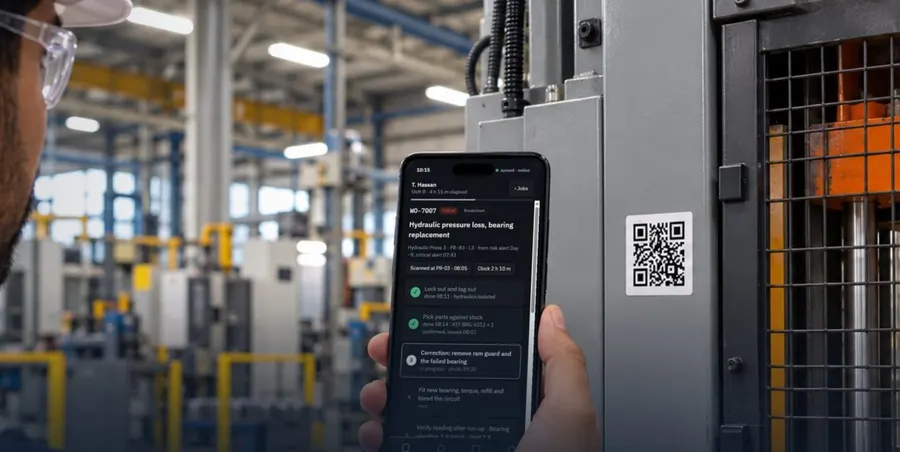
It sees bearing vibration rising on a critical motor over six days and explains that the pattern points to one-sided wear. It then drafts the work order for the next planned stop, with the readings and the part attached.
An example of how it works. It is illustrative and is not a project result.- The decision it supports
- Change the bearing at the next planned stop, or keep running and watch it.
- The outcome
- The work is done in a planned window, so the line does not stop unplanned.
Questions buyers ask.
Something else? Ask us during the free assessment.
Will you touch our PLC programs?
No. Quoriam reads tags from your PLCs over OPC UA or Modbus, read-only. The control logic stays exactly as it is, and your automation team approves every connection.
Our machines are old. Can you still monitor them?
Yes. Older machines without useful PLC data get sensors: vibration and temperature on the motors and bearings, current on the drives, and counters where cycles matter.
How is OEE calculated?
Availability times performance times quality, from the line's own run, stop and count signals. See factory intelligence for the full method and a worked example.
How many sensors does a plant need?
Fewer than most people expect. Lines with PLCs often need none for OEE; critical machines need one or two vibration and temperature sensors each. The free assessment counts it.
What does it cost?
It depends on the number of lines, machines and PLCs to connect. The free three-week assessment ends with a scope and a fixed price.
Find out where your lines lose time.
A free three-week assessment. We read what your PLCs already record, measure your real OEE and downtime, and show you the three losses to fix first.
We take on two assessments a month.Quoriam is designed to pay back within six months. How we calculate payback