



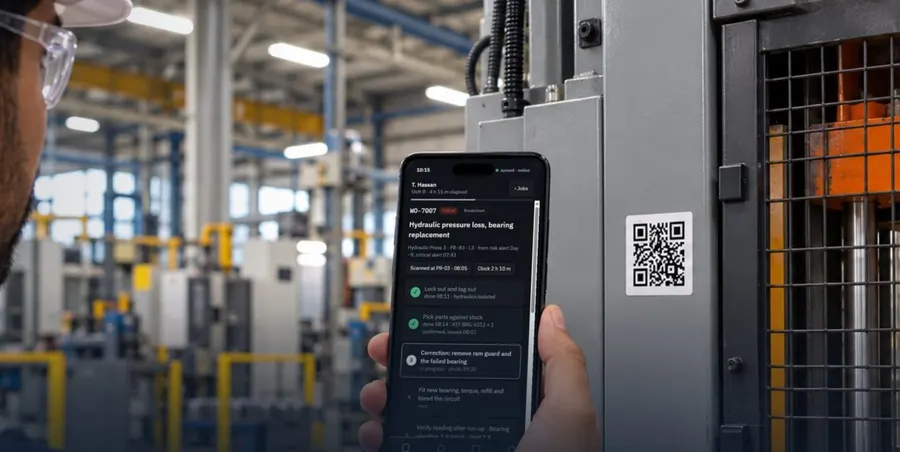
Environmental Monitoring in Qatar
Temperature and humidity monitoring systems for cold rooms, freezers, warehouses and server rooms, plus air quality for offices: alerts while there's still time to save the stock, and every reading logged for the auditor.
Last updated
What is an environmental monitoring system?
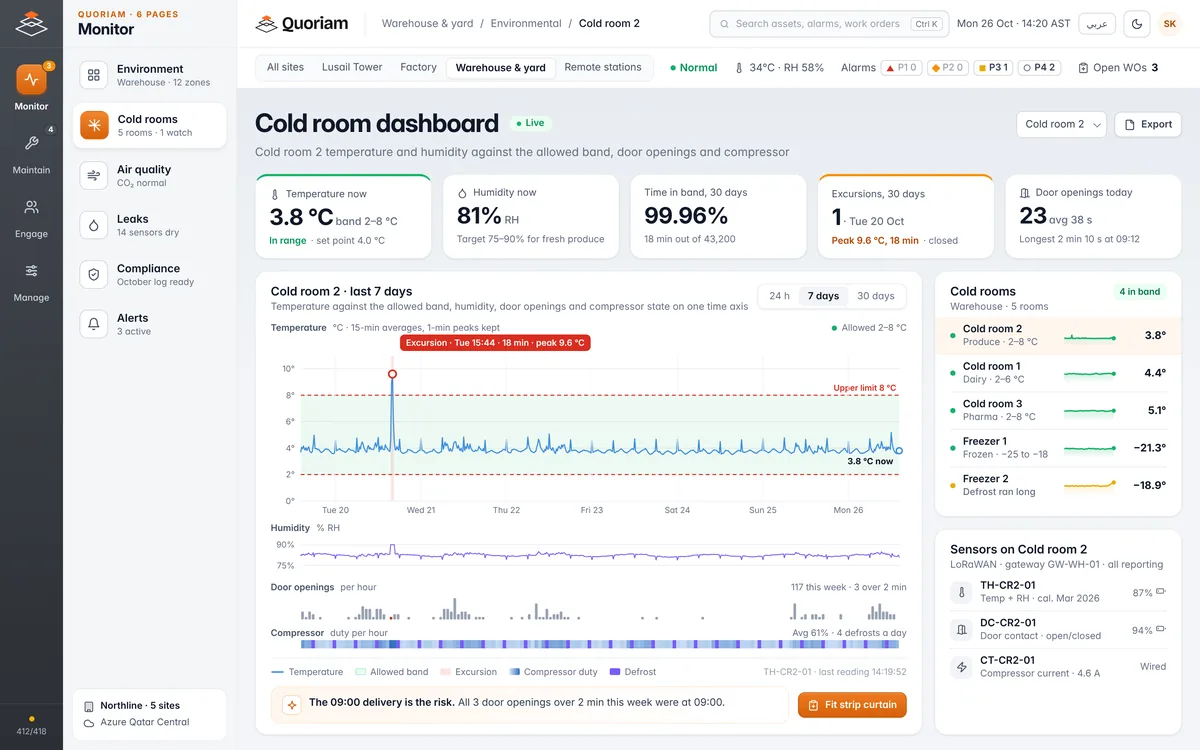
An environmental monitoring system records temperature, humidity and air quality in cold rooms, warehouses, server rooms and offices around the clock. It alerts the right person when a reading leaves its allowed band, and keeps a time-stamped log of every reading and every action taken, ready for a food safety or pharmaceutical audit.
A standalone data logger is downloaded after the fact, once the stock is already lost. A continuous system checks each reading against the room's band as it arrives and alerts someone while there is time to act. Quoriam does this for cold rooms, warehouses and offices on one platform, and the audit trail builds itself from the same readings.
Manual checks
A thermometer and a clipboard twice a day. Cheap, but blind to everything that happens between the checks.
Data loggers
Readings every few minutes, downloaded later. Good evidence, but nobody hears about an excursion while it is happening.
Continuous monitoring
Readings sent live, alerts with escalation, and a signed-off log for the auditor at the end of the month.
Sound familiar?
What warehouse, quality and facilities teams in Qatar tell us before we start.
"The freezer alarm went off at 2 a.m. and nobody heard it."
A local alarm only works if someone is standing next to it. A tripped compressor or a power cut overnight is found by the morning shift, after the stock has warmed.
"Every summer afternoon the loading bay fights the cold room."
With 45 to 50 °C outside, every door held open for a reefer delivery pushes hot air in, and a refrigeration unit already at full load is slow to pull the room back.
"The auditor wants a month of records and we have a clipboard."
Handwritten checks miss what happens between them, and gaps or suspiciously neat numbers draw questions from food safety inspectors and pharma distribution auditors.
What it catches, and how.
The alerts we set up first, and the readings that give each one away.
| Risk | What the sensors see | Measured by |
|---|---|---|
| Door left or held open | Temperature climbing while the door contact shows open | Door contact and temperature sensor |
| Refrigeration failure | Room warming while the compressor runs flat out, or draws no current | Temperature sensor and compressor current clamp |
| Power cut | Every room on one supply warming at once, every compressor at zero | Temperature sensors and current clamps |
| Defrost running long | Freezer above its band for longer than its normal defrost cycle | Temperature probe inside the freezer |
| Server room overheating | Rack inlet temperature rising after a cooling unit trips | Temperature sensor at the rack |
| Stuffy meeting rooms | CO2 rising with the number of people in the room | Air quality sensor and the BMS |
Common storage temperature bands.
The bands most cold rooms and stores are set up for. Your product labels and licence conditions come first; we set each room's limits from them.
| What is stored | Typical band | Source |
|---|---|---|
| Chilled dairy, meat and poultry | 5 °C or below | SFDA, refrigerated food transport |
| Fresh fruit and vegetables | From 0 to 18 °C, depending on the item | SFDA, refrigerated food transport |
| Frozen food | −18 °C or colder | SFDA, cold storage |
| Medicines labelled for the refrigerator | 2 to 8 °C | WHO and Ph. Eur. |
| Medicines labelled frozen | −20 °C (WHO); below −15 °C (Ph. Eur. deep-freeze) | WHO and Ph. Eur. |
| Medicines at room temperature | 15 to 25 °C, or up to 30 °C depending on climatic conditions | WHO and Ph. Eur. |
| Controlled room temperature | 20 to 25 °C, with excursions allowed between 15 and 30 °C | USP <659> |
Food figures are maximum temperatures from the Saudi Food and Drug Authority's General Requirements for Food Transport, a GCC reference; check the rules for your licence in Qatar. Medicine figures are from WHO, the European Pharmacopoeia and USP as summarised by ECA's GMP-compliance.org.
How it works on Quoriam.
Fit
Wireless temperature and humidity sensors in each cold room, freezer and zone, with door contacts and compressor current clamps. BMS and refrigeration controller readings come in too.
Set the bands
Each room gets its own limits from what it stores, such as 2 to 8 °C for medicines. A short delay stops a normal door opening or defrost from raising an alarm.
Alert
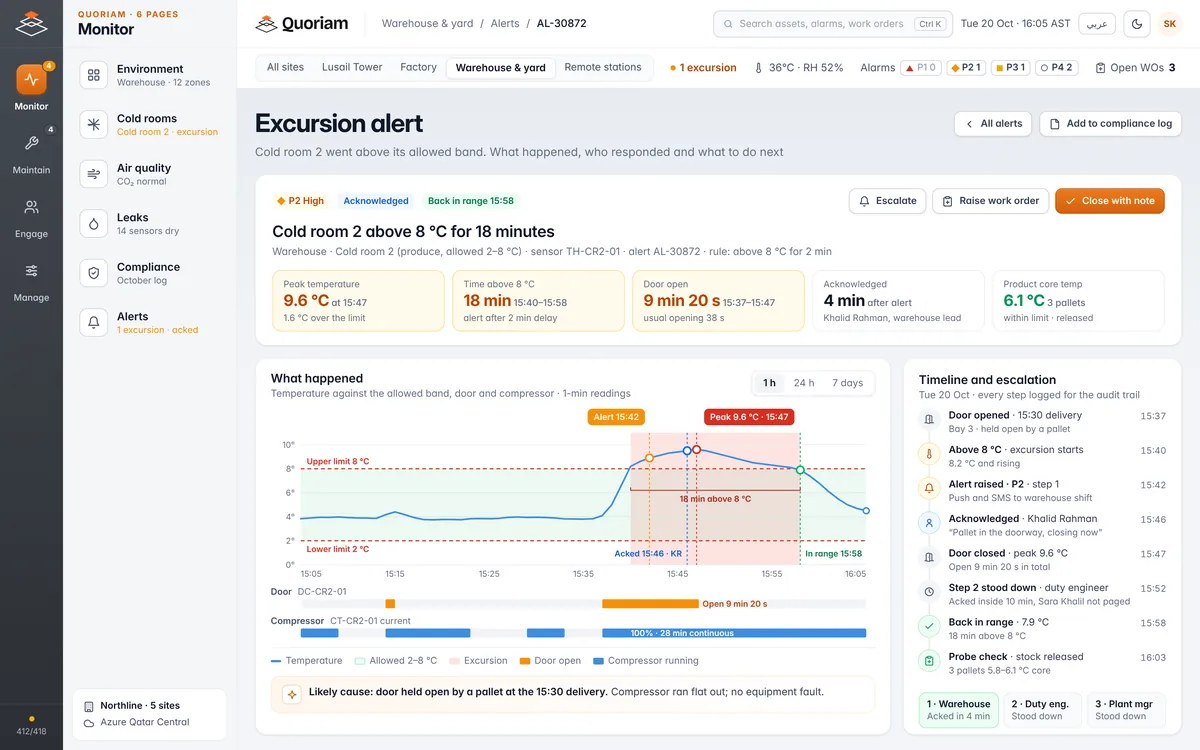
The warehouse shift gets an alert in the app or by SMS. If nobody acknowledges it, it escalates to the duty engineer, then the plant manager.
Report
Every reading, excursion and action goes into the monthly compliance log, signed off on the platform and sent as PDF and CSV.
System view
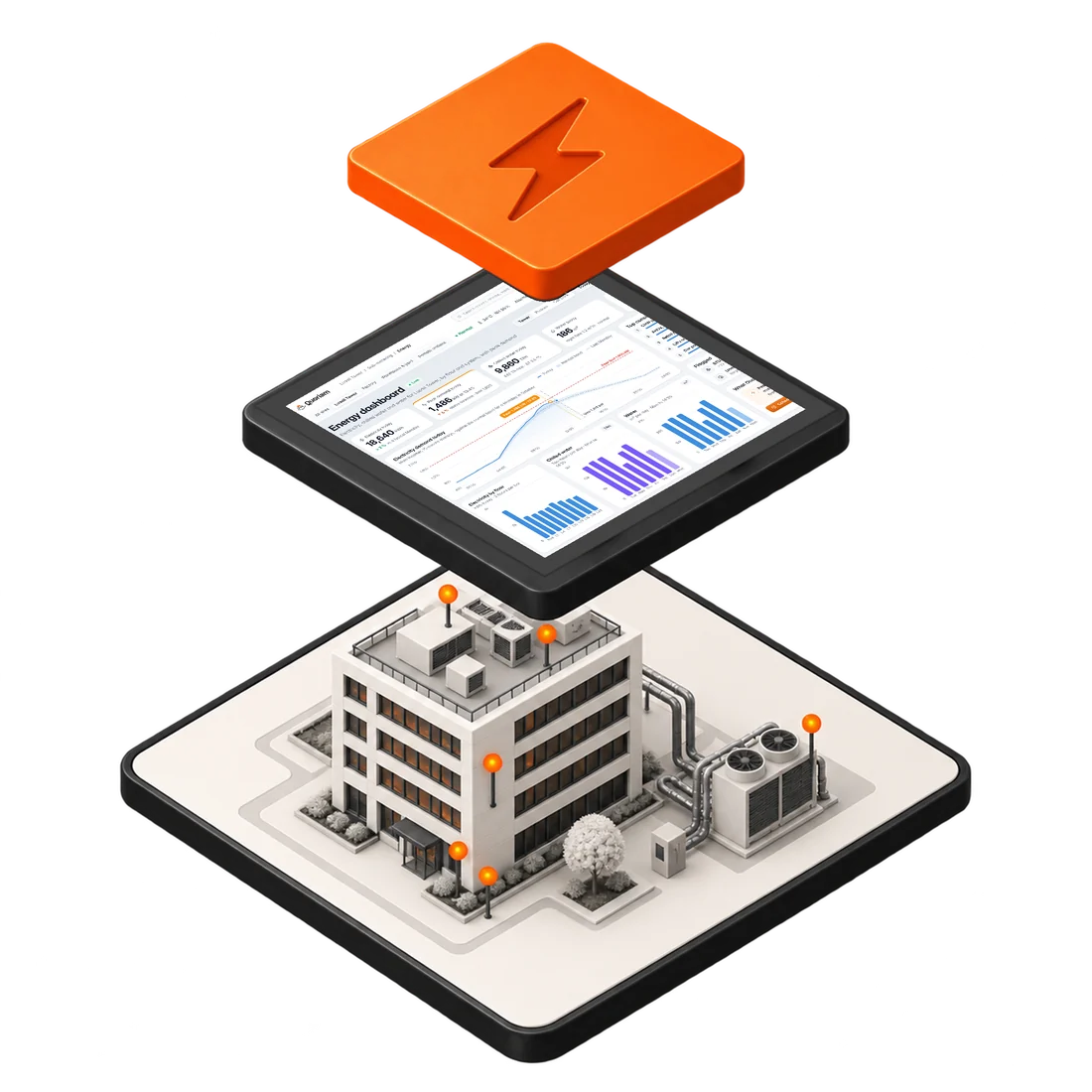
For IT, OT and security reviewers: where the data goes, and how.
- In the roomWireless temperature, humidity and air quality sensors; door contacts and current clamps
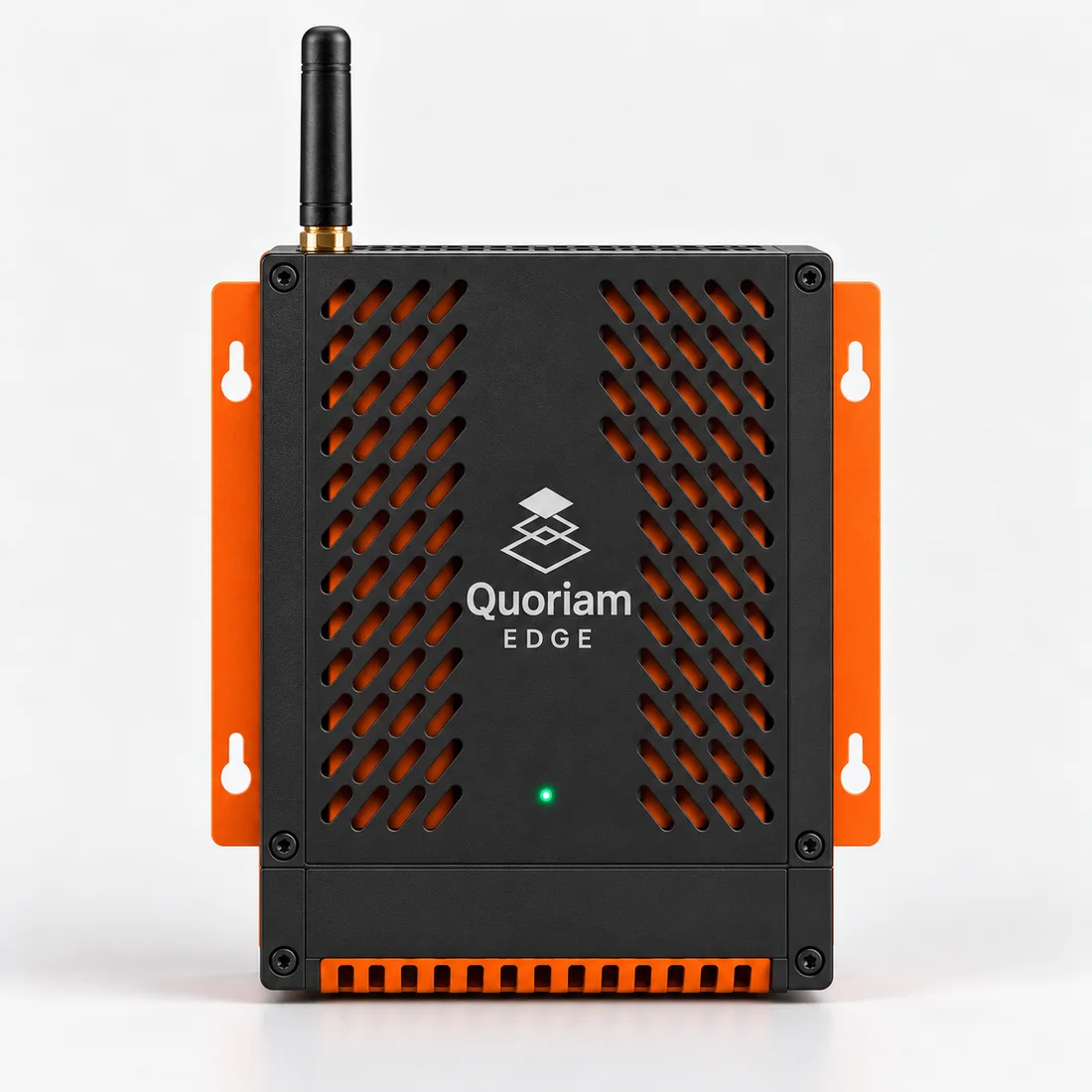
- On siteLoRaWAN gateway for the sensors; edge gateway reading the BMS and refrigeration controllers
- NetworkSite LAN or cellular, encrypted and kept apart from the control network
- Quoriam platformOn your premises or cloud hosted in Qatar
- Your team and systemsApp, SMS and email alerts with escalation; compliance reports by PDF and CSV; work orders
What your team sees.
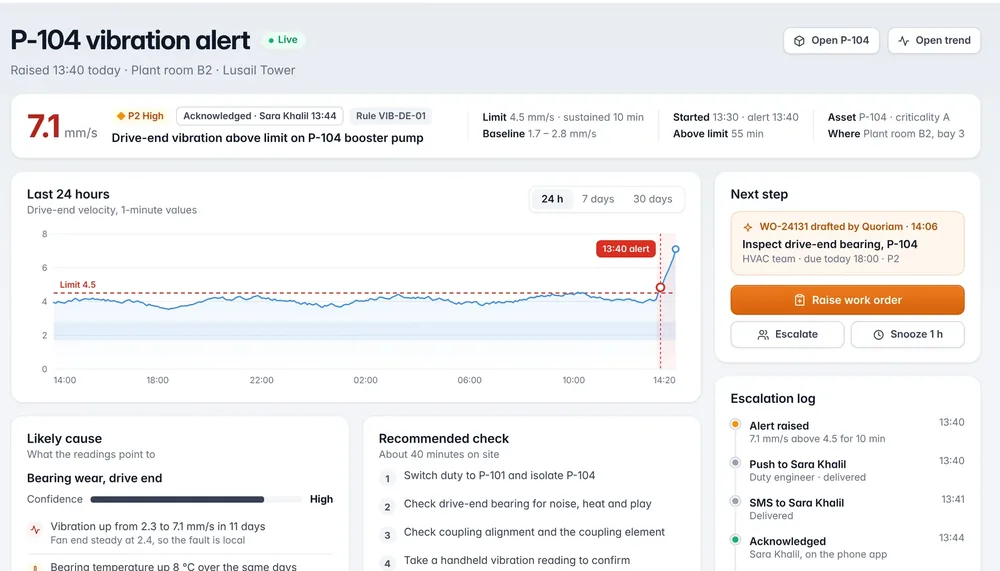
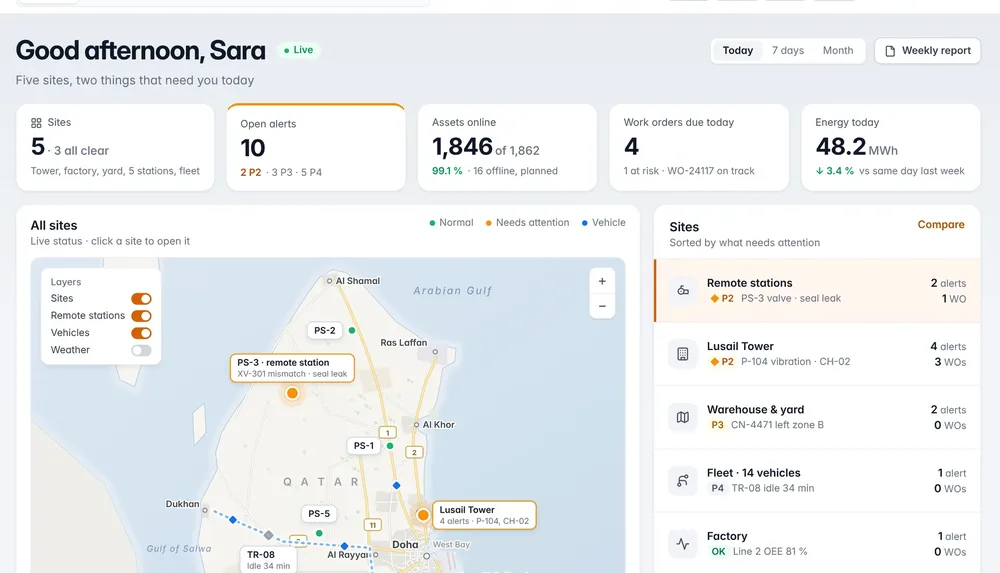
Every room against its band, and the log ready before the auditor asks.
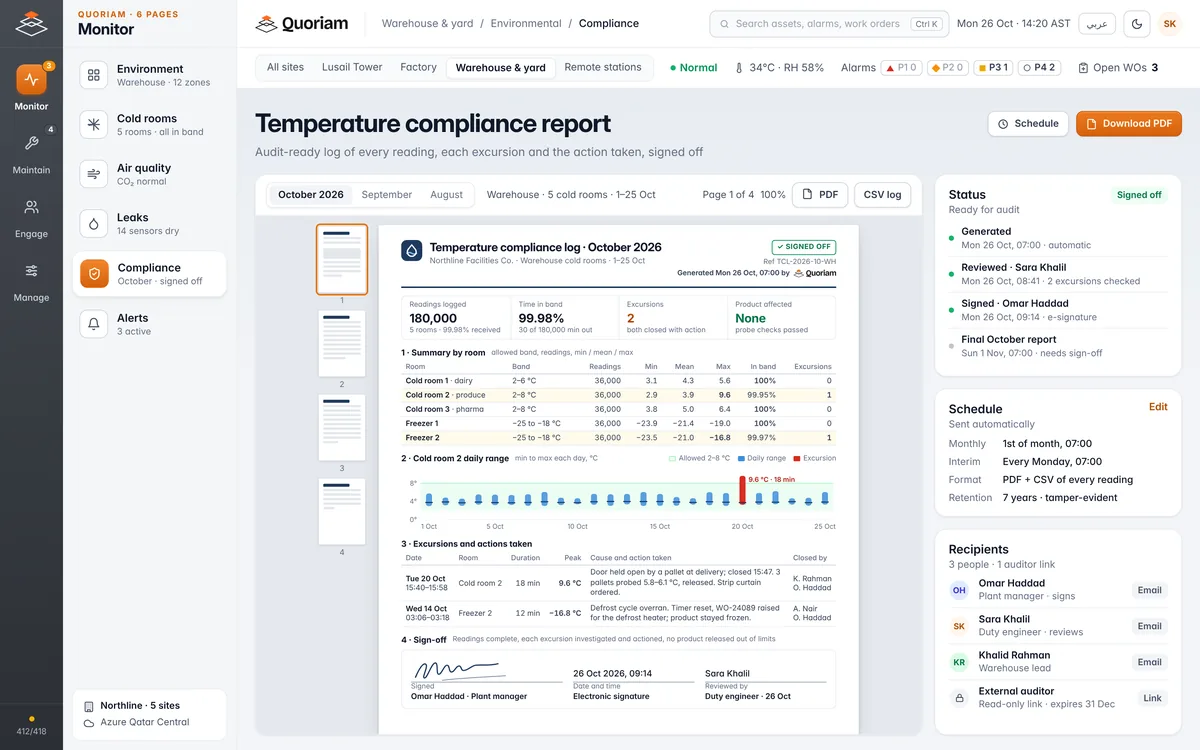
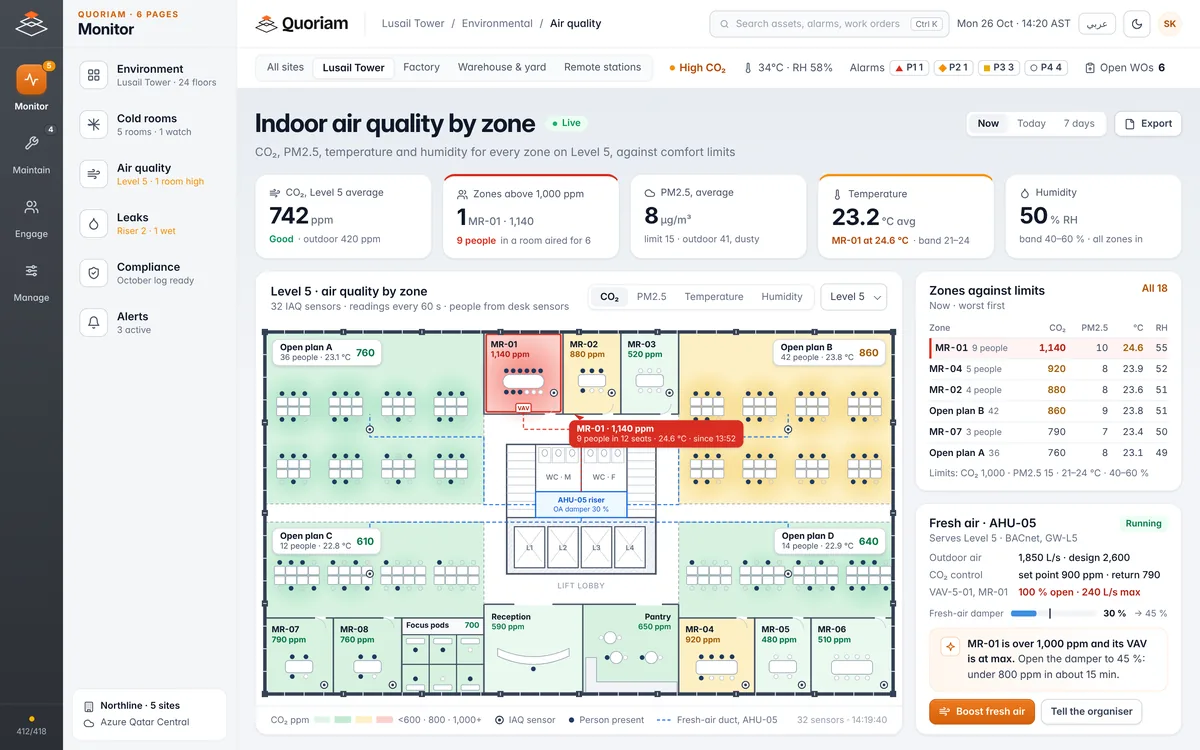
Or just ask.
Quoriam AI answers questions about your rooms in plain language and turns the answer into an action.
Environmental monitoring use cases.
Start with the rooms where a warm night costs you the most stock.
- Temperature and humidity monitoring
Continuous temperature and humidity logs for warehouses, server rooms and labs.
- Cold chain monitoring
Cold rooms and freezers logged every few minutes, with alarms before stock is at risk.
- Indoor air quality
CO2, particles and VOCs by floor and room, against the limits your building targets.
- Soil monitoring and smart irrigation
Soil moisture sensors that water landscapes and crops only when they need it.
Hardware and integrations.
We fit sensors in every room that matters and read the systems you already run.
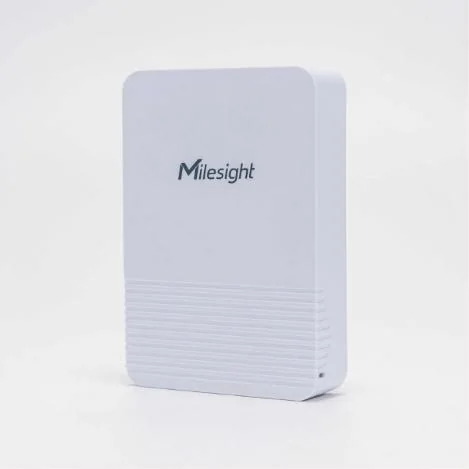
- Temperature and humidity sensorsWireless, for cold rooms, warehouses and server rooms
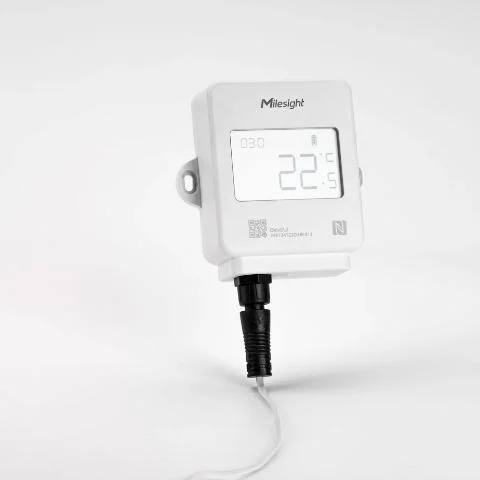
- Freezer probes and door contactsProbe inside the freezer, transmitter outside
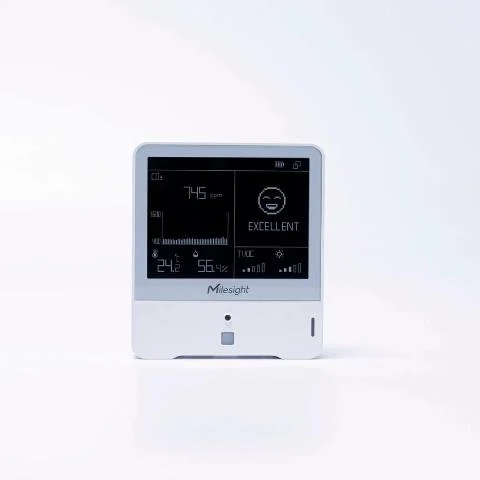
- Air quality sensorsCO2, PM2.5, temperature and humidity
- GatewaysQuoriam Edge QE35, LoRaWAN or cellular
- Reads from
- BMS and refrigeration controllers over BACnet and Modbus
- Alerts by
- Quoriam app, SMS and email, with escalation if nobody acknowledges
- Reports to
- Monthly and weekly compliance logs by PDF and CSV, plus a read-only link for an external auditor
Hardware agnostic. Makes we fit includeMilesightFootfallCamTeltonikaAdvantechWe can work with any maker and choose the device for each site. The platform reads them all.
What a first deployment covers.
An example, not a project result.
Example scope: a food distribution warehouse with cold rooms
Five chilled and frozen rooms and an ambient store, on one screen.
- Each cold room and freezer: a temperature and humidity sensor, or a probe in freezers, plus a door contact
- Each refrigeration unit: a current clamp, so an alert shows whether the compressor is running
- Ambient store: temperature and humidity sensors by zone
- One gateway for the site, on the site LAN or cellular
- Alerts to the warehouse shift, escalating to the duty engineer and the plant manager
- Monthly compliance log reviewed, signed off and sent to quality and the auditor
Where it's used.
The same platform, set up in each industry's terms.
Questions buyers ask.
Something else? Ask us during the free assessment.
How many sensors does a cold room need?
A typical cold room takes one temperature sensor and a door contact. Large rooms and warehouses need more, because the temperature changes from the door to the back wall. The free assessment gives you the count and the price.
What does it cost?
It depends on how many rooms and zones you monitor and how they connect. The free three-week assessment ends with a scope and a fixed price for your site.
Can it replace our manual temperature checks?
It gives a far fuller record than two checks a day. Keep the manual checks until your auditor or licensing authority accepts the electronic log in their place.
What happens during a power cut?
The wireless sensors run on batteries, so they keep measuring, and the compressor current clamps show the cut at once. With the gateway on a UPS, alerts keep going out over cellular.
Is 1,000 ppm of CO2 a legal limit?
No. It is a common ventilation target, and Quoriam uses whatever limits your building sets. As a NIST paper notes, no current ASHRAE standard contains an indoor CO2 limit.
Will the sensors cope with freezers and summer loading bays?
We specify each sensor for where it goes. Freezers get a probe inside with the transmitter outside, and sensors near loading bays are checked for rated temperature range and dust and water protection first.
Can we monitor reefer trucks too?
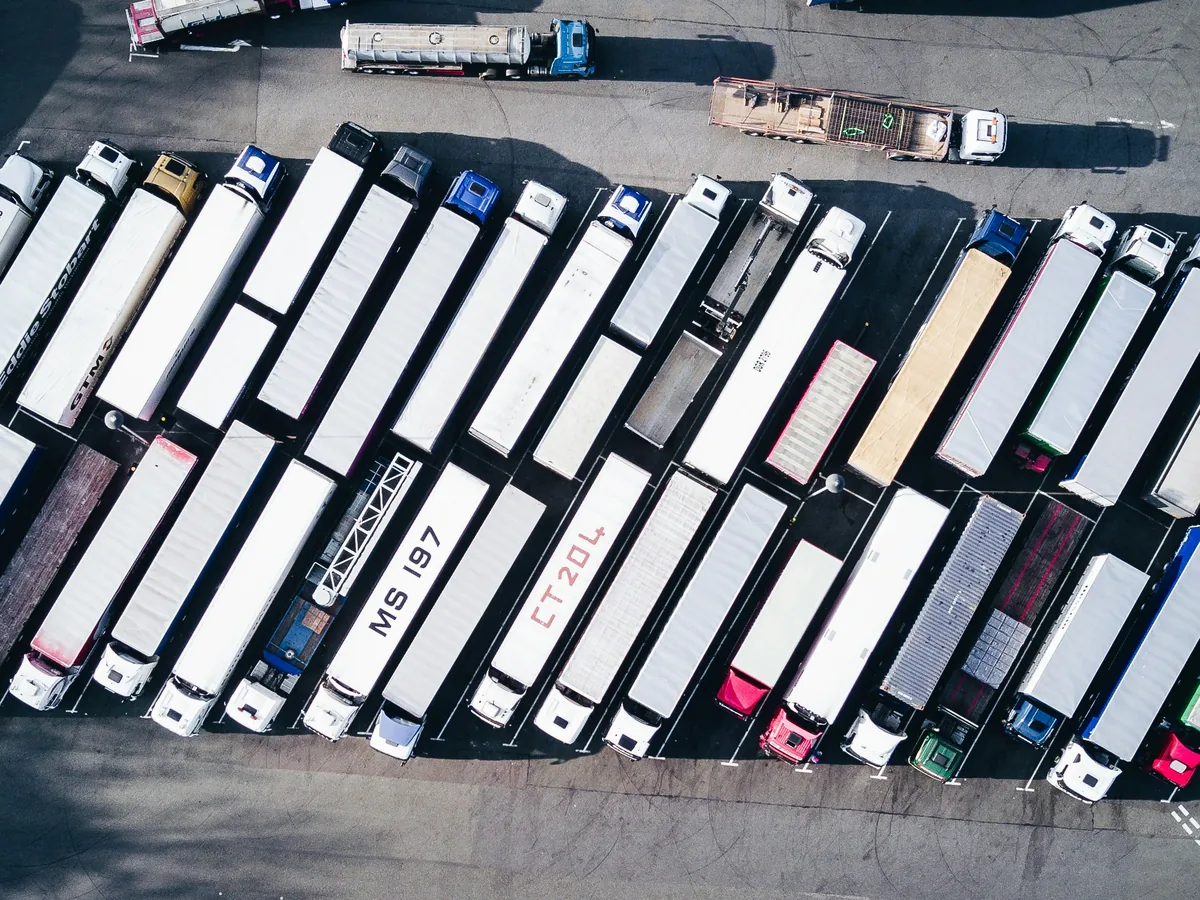
Yes, on the same platform. Fleet telematics adds load temperature alerts on the road, so the cold chain record runs from the truck to the cold room.
Add next on the same platform.
Every solution plugs into the one you start with. One login, one set of alarms.
 BTU-17 +22% on last month
Smart metering and sub-metering
Meter electricity, water and chilled water by tenant or line, and settle every bill on evidence.
 TR-08 Idle 34 min
Fleet telematics
Track vehicles, fuel and driver behaviour, with servicing scheduled from the same data.
 CN-4471 Left zone B at 14:02
Asset tracking and geofencing
Know where equipment, tools and containers are, and get an alert the moment one leaves its zone.
Start with a pilot.
Prove it on your own cold rooms before you commit to every site.
- Rooms or zones chosen with your team in the assessment
- Sensors and a gateway supplied, fitted and commissioned by our engineers
- How long it runs is agreed with you, typically around eight weeks
- The results to look for are agreed at the start and reviewed with you at the end
Find out which rooms put your stock at risk.
A free three-week assessment. We walk your cold rooms and stores, review the records you keep today, and deliver a plan to monitor the rooms that matter most.
We take on two assessments a month.Quoriam is designed to pay back within six months. How we calculate payback