
Asset Tracking in Qatar
Geofencing and live location for containers, trailers, hired plant and tools: an alert the moment something leaves its zone, and a weekly view of what sits idle.
Last updated
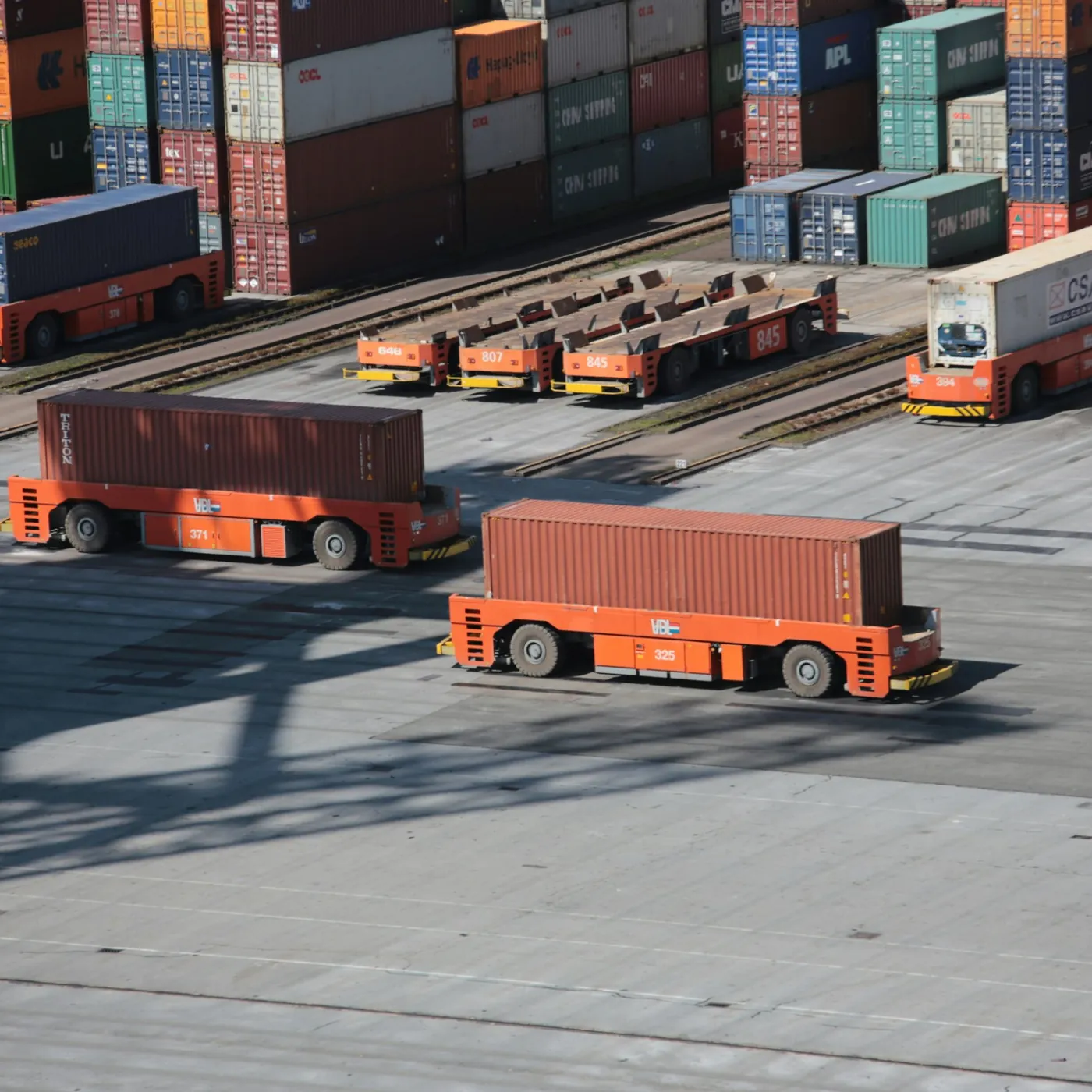
What is asset tracking?
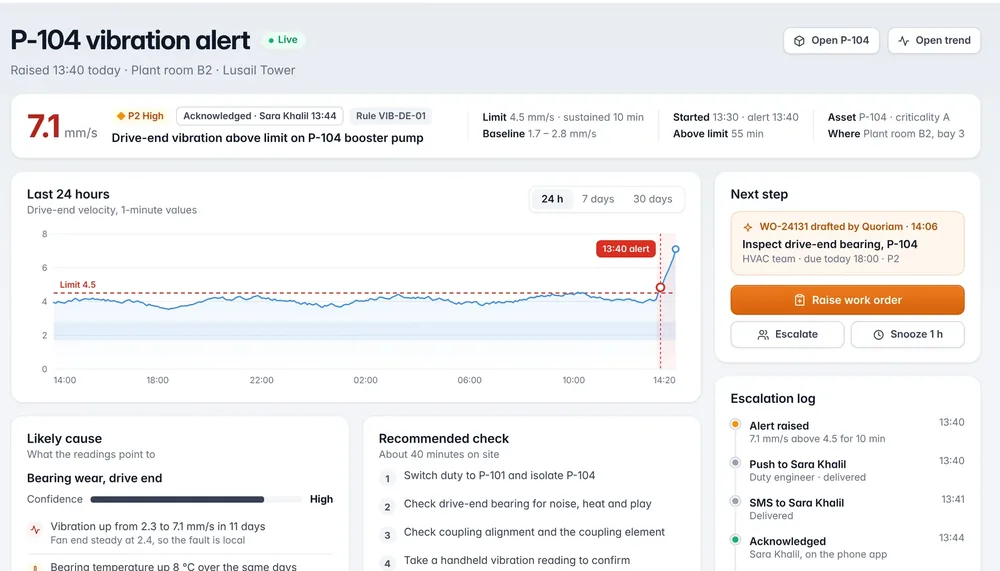
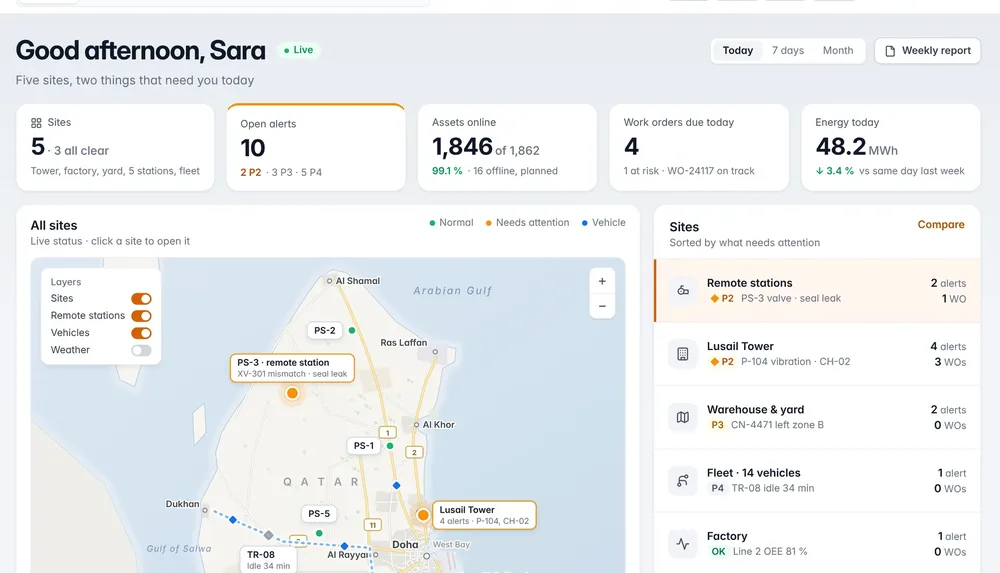
Asset tracking uses GPS trackers, BLE tags or RFID tags to show where each container, vehicle, machine and tool is on a live map. Geofencing adds zones drawn around yards, stores and sites, so the right person gets an alert when an asset leaves its zone, moves after hours or stands idle too long.
Equipment tracking is the same idea applied to plant and tools: generators, compressors, welding sets, lifting gear and test kit that move between sites. A GPS asset tracker suits anything outdoors. BLE asset tracking covers tools and equipment inside warehouses and stores, where GPS can't reach. RFID asset tracking logs items as they pass a reader at a gate or a store door.
A geofence is a boundary drawn on the map. Every position is checked against each zone and its rules: who may leave, when, and for how long.
Registers and radio calls
A spreadsheet and someone sent to look. Cheap, until a container or a hired generator goes missing for a week.
Trackers with their own app
Dots on a map, one app per supplier. Nobody connects a missing asset to a work order or a hire invoice.
Tracking on one platform
Every tracker, tag and reader on one map, with zones, alerts, work orders and utilisation reports in the same place.
Sound familiar?
What yard, logistics and project teams in Qatar tell us before we start.
"We hired a generator for the site and nobody can tell me where it is."
Rental plant moves between construction sites and laydown yards. The hire charge runs by the day whether the machine works or stands behind a fence in Mesaieed.
"A container left the yard and nobody booked it out."
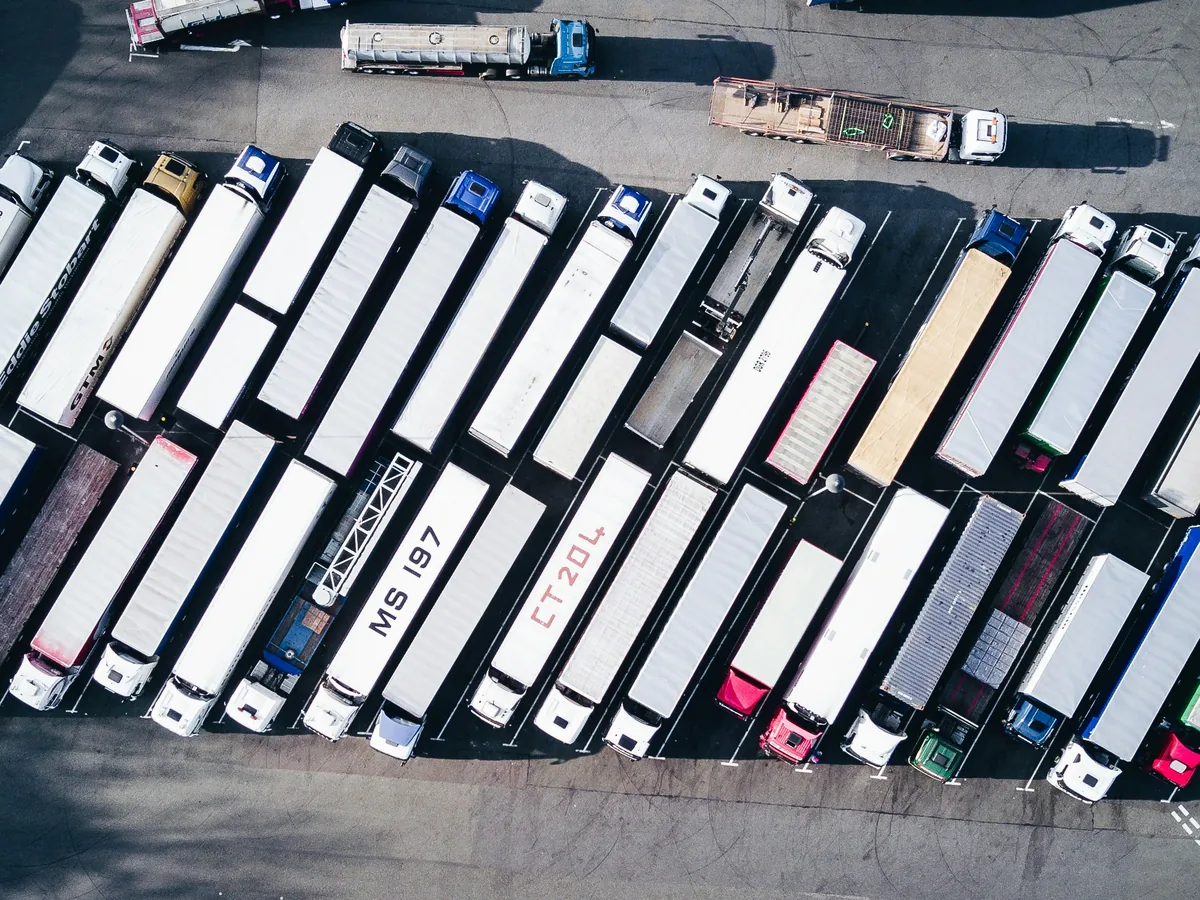
Yards near Hamad Port and in the logistics parks hold hundreds of boxes. A move without a move order shows up at the next stock count, or when the customer calls.
"Tools go out to site and don't come back."
Torque wrenches and test kit get signed out for a job at Ras Laffan or Lusail. Weeks later someone buys a replacement, and the original turns up in a van.
What it tells you, and how.
Each event comes from a position, a movement or a missing signal. These are the rules most sites set first.
| Event | Signal | Measured by |
|---|---|---|
| Asset leaves its zone | Position crosses the geofence edge, past a small buffer to ignore GPS drift | GPS tracker outdoors, BLE tag indoors |
| Movement outside working hours | Motion or a change of position at night, on Fridays or on public holidays | GPS tracker with motion sensor |
| Hired equipment standing idle | No movement or engine hours for longer than the limit you set | GPS tracker with motion or ignition input |
| Tool missing from the store | Tag not heard by any gateway since a given time | BLE tag and ceiling gateways |
| Item through a gate or door | Tag read as it passes a fixed point | RFID tag and reader at the gate |
| Container over its dwell time | Days in one zone above the rule, before storage charges start | GPS tracker and zone rules |
How it works on Quoriam.
From the tag on the asset to the alert answered, on one platform.
Tag
Fit GPS trackers to containers, trailers and plant, BLE tags to tools, and RFID readers at the gates that matter. Read existing telematics where it can share data.
Map
Draw zones on the yard plan or site map: laydown areas, stores, workshops, gate staging. Set each zone's rules, including Ramadan hours and public holidays.
Alert
When an asset leaves its zone, moves after hours or stands idle too long, the duty supervisor gets an alert in the app, by SMS or by email, escalating if nobody answers.
Act
Hold the truck at the gate, raise a work order, off-hire idle plant or swap a low battery. Weekly utilisation reports go to operations and finance.
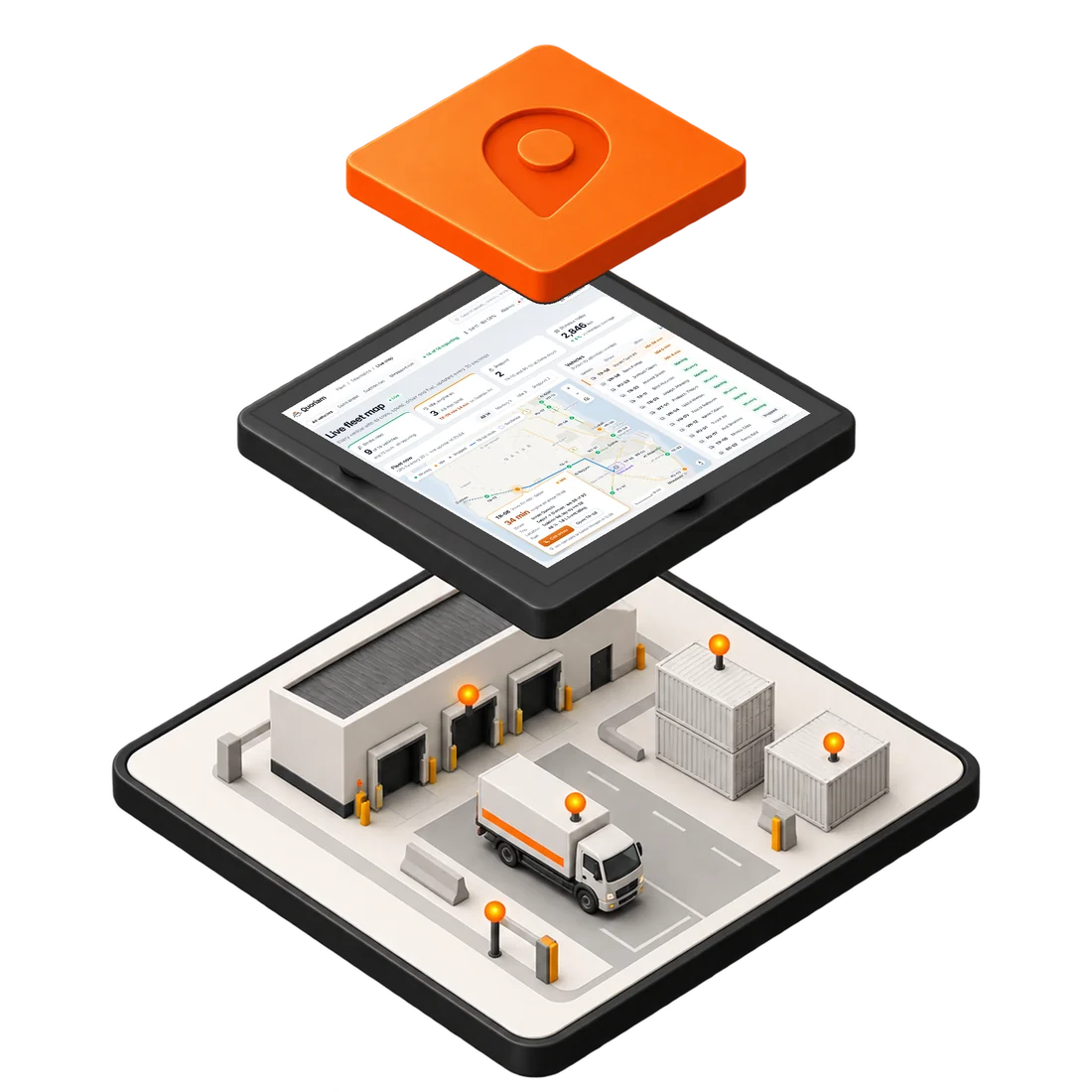
System view
For IT, OT and security reviewers: where the data goes, and how.
- On the assetGPS trackers on containers, trailers and plant; BLE tags on tools; RFID tags where items pass a gate
- On siteBLE gateways in warehouses and stores; RFID readers at gates; LoRaWAN gateway where trackers use it
- NetworkCellular from the trackers, site LAN from the gateways, encrypted in transit
- Quoriam platformOn your premises or cloud hosted in Qatar
- Your team and systemsApp, SMS and email alerts; work orders; positions and events to your ERP or yard system
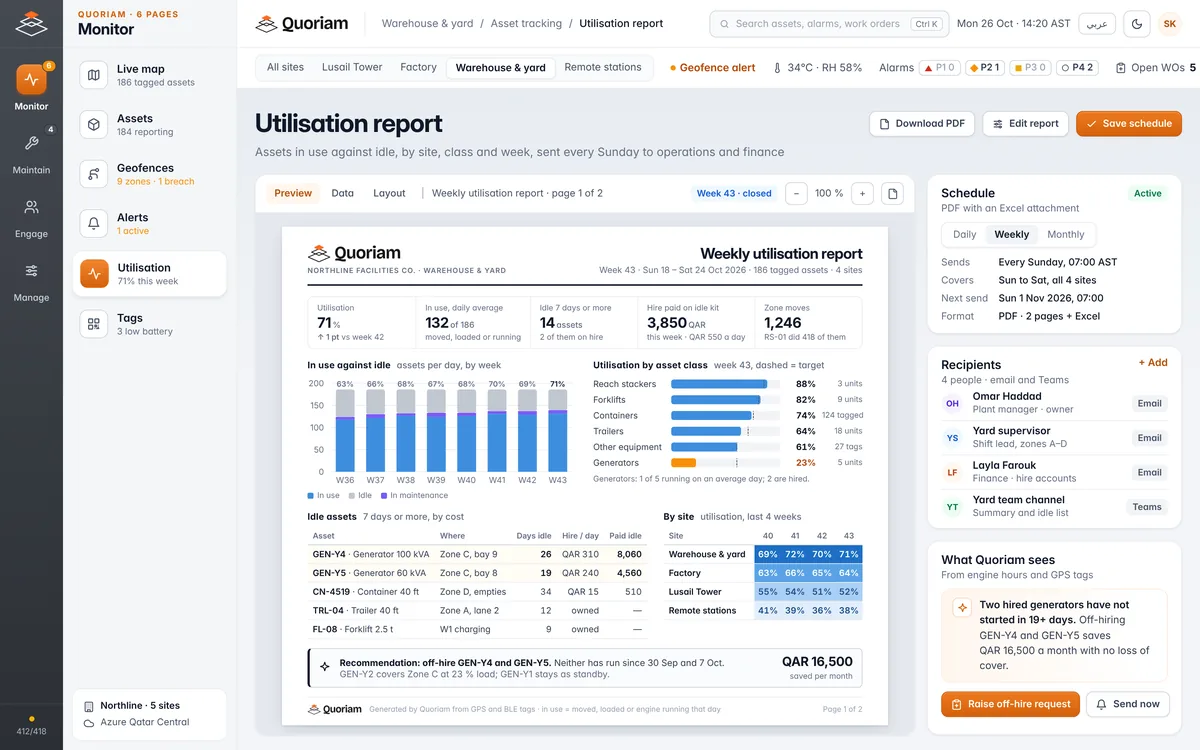
What your team sees.
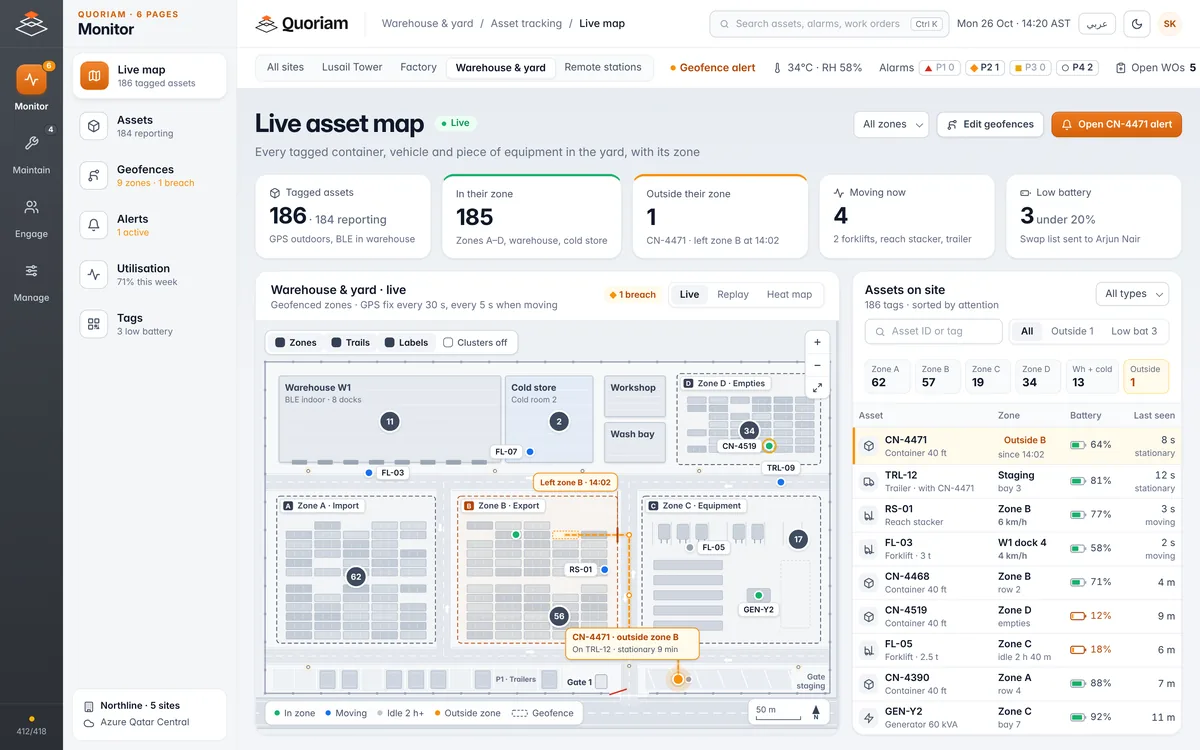
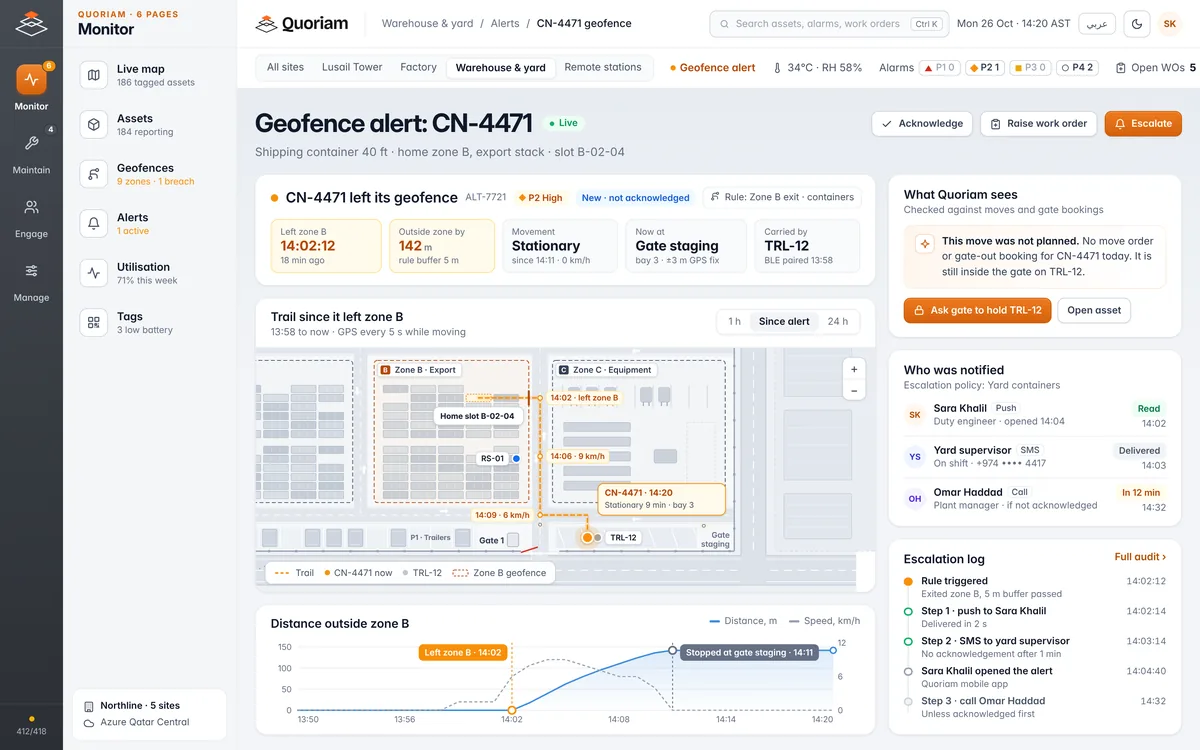
Every tagged asset on one map, with the evidence behind each alert and the cost of what stands idle.
Or just ask.
Quoriam AI answers questions about your assets in plain language and turns the answer into an action.
Asset tracking use cases.
Start with the assets that cost you most when they go missing or stand idle.
- Smart waste bins
Fill-level sensors that send trucks only to bins that need emptying.
- Container tracking
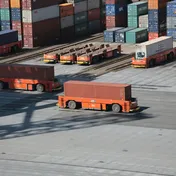
GPS trackers on containers and trailers, with yard zones and dwell-time alerts.
- Tool and equipment tracking
BLE tags on tools and mobile equipment, found by zone across sites and stores.
- People tracking
Lone-worker alerts and muster counts for people on large or hazardous sites.
Trackers, tags and integrations.
We choose the tracker for each asset and where it lives, then read everything on the same platform.
- GPS asset trackersBattery or vehicle powered, cellular, for containers, trailers and plant
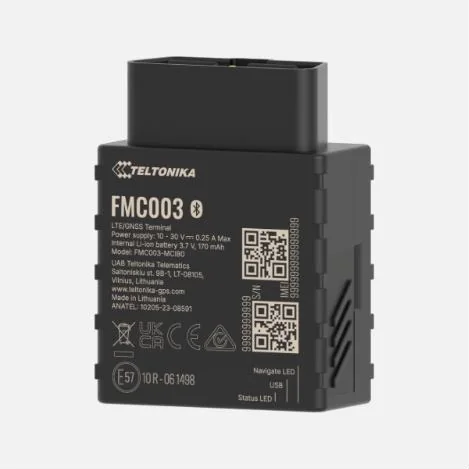
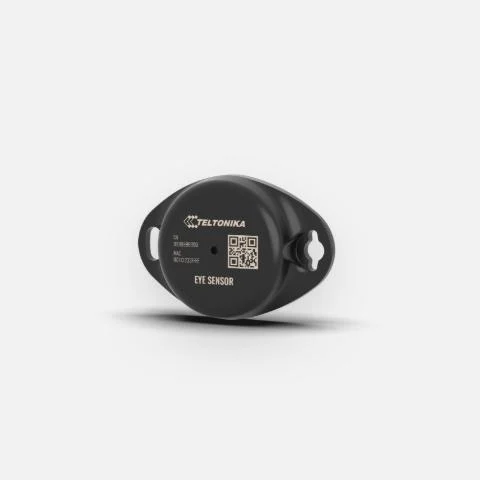
- BLE tags and gatewaysSmall tags on tools; gateways on the ceiling of stores and warehouses
- RFID readers and tagsAt gates and store doors, for items that pass a fixed point
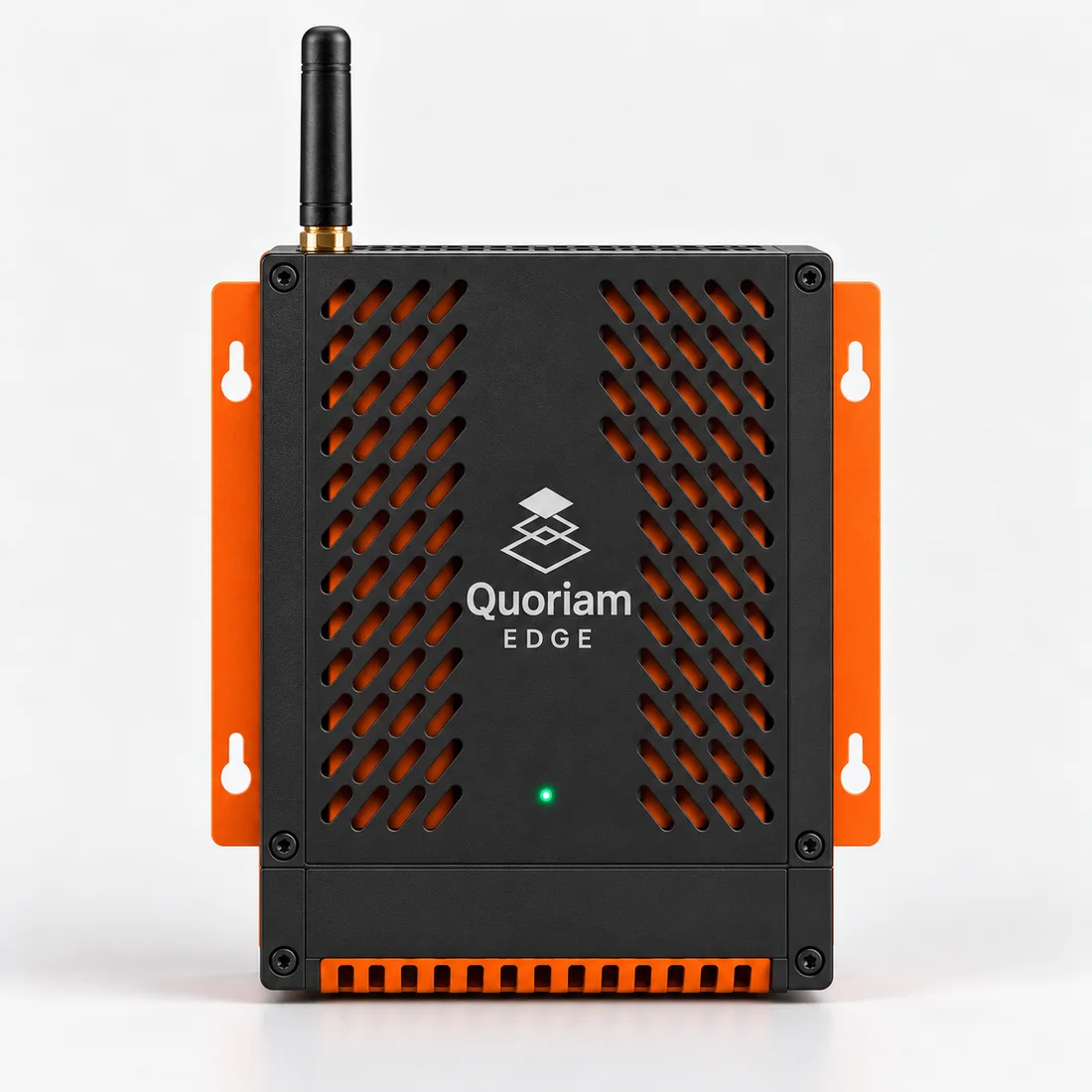
- GatewaysQuoriam Edge QE35, LoRaWAN or cellular
- Reads from
- GPS trackers over cellular; BLE and RFID through site gateways; telematics already on your plant
- Sends to
- Quoriam's own work orders, or your ERP, CMMS or yard system
- Alerts by
- Quoriam app, SMS and email, with escalation if nobody responds
Hardware agnostic. Makes we fit includeMilesightFootfallCamTeltonikaAdvantechWe can work with any maker and choose the device for each site. The platform reads them all.
What a first deployment covers.
Most sites start with one yard or store and the assets that go missing most.
Example scope: a laydown yard and its store
What a first deployment typically includes. An example, not a project result.
- Containers, trailers and hired plant: a GPS tracker on each, reporting more often while it moves
- Tools and test kit: BLE tags, with gateways in the store and the workshop
- Gates: an RFID reader or a geofence at each one, so every exit is logged
- Zones drawn on the yard plan: laydown areas, quarantine, workshop and gate staging
- Rules for exits without a move order, movement after hours and plant idle on hire
- Alerts to the yard supervisor's app, escalating to the operations manager, and a weekly utilisation report
Where it's used.
The same platform, set up in each industry's terms.
Questions buyers ask.
Something else? Ask us during the free assessment.
What's the difference between GPS, BLE and RFID asset tracking?
GPS works outdoors anywhere with a view of the sky and reports over the cellular network, so it suits containers, trailers and plant. BLE tags are small and cheap, and gateways find them indoors to the room or aisle, where GPS can't reach. Passive RFID tags need no battery and are seen only when they pass a reader, such as a gate or a store door.
How many trackers do we need?
One GPS tracker for each container, trailer or machine you want to see outdoors, a BLE tag for each tool, and enough gateways to cover the stores and warehouses. RFID adds a reader at each gate you want to log. The free assessment counts it for your sites.
How long do tracker batteries last in Qatar's heat?
It depends on how often the tracker reports and where it is mounted. Heat shortens battery life, and a tracker on a container in the July sun runs far hotter than the 45 to 50 °C outside air. We choose trackers rated for that heat, match reporting to how the asset moves, and the platform lists low batteries before they run out.
What happens when an asset leaves its zone?
If the move breaks a rule, such as a container leaving without a move order, the duty supervisor gets an alert with the asset's trail and can hold it at the gate. If nobody acknowledges, it escalates.
Does it work across sites in Ras Laffan, Mesaieed and Doha?
Yes. GPS trackers report over the cellular network, so one map can show assets at every site and on the road between them. We check signal at remote yards during the assessment and use a local gateway where coverage is weak.
Do we have to replace the trackers already on our plant?
Not always. Where existing telematics can share its data, Quoriam reads it and shows those machines on the same map. We fit new trackers only where nothing reports today.
What does it cost?
It depends on how many assets you track, the trackers each one needs and how many sites you cover. The free three-week assessment ends with a scope and a fixed price for your sites.
Add next on the same platform.
Every solution plugs into the one you start with. One login, one set of alarms.
 TR-08 Idle 34 min
Fleet telematics
Track vehicles, fuel and driver behaviour, with servicing scheduled from the same data.
 Station 2 44 °C, RH 18%
Environmental monitoring
Log temperature, humidity and air quality in cold rooms, warehouses and offices, ready for audit.
 PS-3 Pump 2 running, 4.2 bar
Remote operations monitoring
Valves, tanks, pumps and solar arrays across remote sites on one screen, with alarms on any change.
Start with a pilot.
Prove it on one yard or store before you tag every asset.
- Tracked assets chosen with your team in the assessment
- Trackers, tags and gateways supplied, fitted and commissioned by our engineers
- How long it runs is agreed with you, typically around eight weeks
- The results to look for are agreed at the start and reviewed with you at the end
Find out what you own and where it is.
A free three-week assessment. We review your asset register and hire list with your team and deliver a tracking plan: what to tag, with which tracker, and the zones and alerts to set.
We take on two assessments a month.Quoriam is designed to pay back within six months. How we calculate payback