




- Home
- Solutions
- Environmental monitoring
- Soil monitoring and smart irrigation
Smart Irrigation and Soil Monitoring in Qatar
Soil moisture sensors in your lawns, planting beds and crops, so each zone is watered when its roots need it, and a dry zone is found before the plants show it.
Last updated
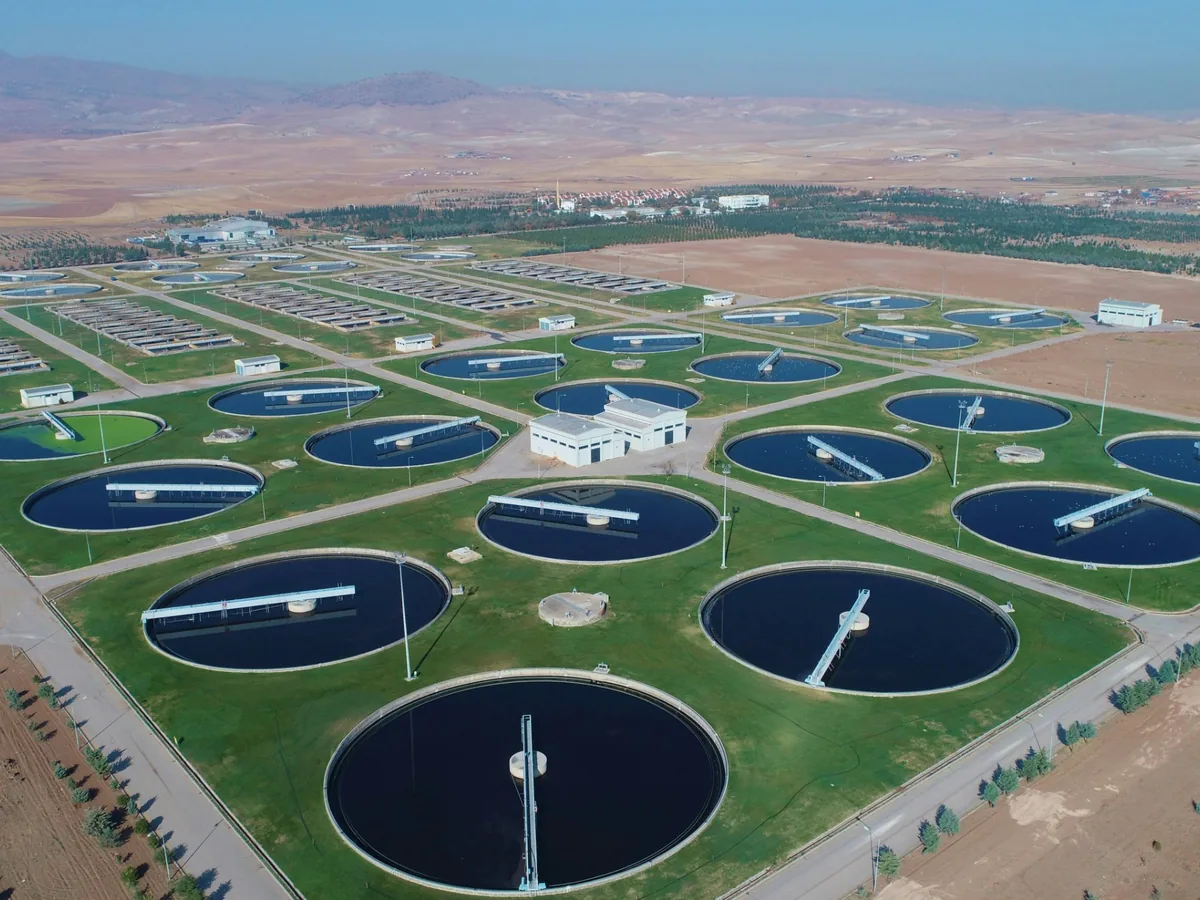
What is a smart irrigation system?
A smart irrigation system uses soil moisture sensors in the root zone to decide when each landscape or crop zone needs water. Instead of a fixed timer, it skips a cycle while the soil is still moist and alerts your team when a zone stays dry after watering, pointing to a blocked dripper, failed valve or broken line.
A timer waters the same amount whatever the weather and whatever the soil already holds. A soil moisture sensor measures the water actually in the root zone, so watering follows what the plants use, which changes a great deal between a Doha January and July.
Water is the constraint in Qatar. Agriculture takes about 92% of the roughly 250 million m³ of groundwater pumped each year, against long-term rainfall recharge of 71.6 million m³. Treated sewage effluent is the other source: in 2017, 27% of it irrigated green spaces and 30% went to farms (Planning and Statistics Authority, Water Statistics 2017).
What the sensors catch.
Five situations, what the readings show, and what happens next.
| Situation | What the readings show | What happens |
|---|---|---|
| Soil still moist | Moisture above the refill point at the scheduled time | Cycle skipped, and the skip logged |
| Soil drying fast | Moisture falling below the refill point before the next cycle, on a hot or windy day | Extra cycle recommended for that zone |
| Blocked dripper or failed valve | Moisture not rising after a cycle that should have run | Zone dry after watering. Check the valve, filter and drippers |
| Broken line | Flow on the irrigation meter outside the schedule, wet soil where nothing ran | Possible leak. Isolate the zone and walk the line |
| Overwatering | Moisture held above field capacity after every cycle | Shorten the cycle; the water is draining below the roots |
Which soil moisture sensor, and where it struggles.
Four common sensor types. Soil texture and water salinity decide the choice more than price does.
| Sensor type | Measures | Strengths | Limits |
|---|---|---|---|
| Capacitance | Volumetric water content | Fast, read remotely, copes with saline soil better than TDR | Needs calibrating to the site; affected by salinity, clay and temperature |
| TDR | Volumetric water content | Very accurate; usually no site calibration | Small sensing area; costly; less tolerant of high salinity |
| Tensiometer | Soil water tension | Inexpensive; unaffected by salinity | Read by hand; frequent maintenance; narrow range |
| Granular matrix | Soil water tension | Inexpensive; wide range; logs remotely | Slow; less accurate in sandy soil; sensitive to salinity |
Source: University of Minnesota Extension, Soil moisture sensors for irrigation scheduling. The same guide is the basis for the placement and trigger rules below.
How it works.
Fit
Sensors go in pairs at about one-third and two-thirds of the root depth, in soil typical of the zone, away from high points and dips. Each zone gets at least two spots; zones with mixed soils are split.
Set the trigger
Field capacity is the reading 12 to 24 hours after a heavy watering. Most plants start to stress once 30 to 50% of the available water is used, so the refill point sits before that, and each cycle refills to about 85% of field capacity.
Water or skip
Before each cycle, the zone's reading decides. The sensor can be wired to your irrigation controller so it skips on its own, while Quoriam logs each decision and alerts on dry zones.
Check the result
An irrigation meter shows what was used, and flow outside the schedule flags a leak.
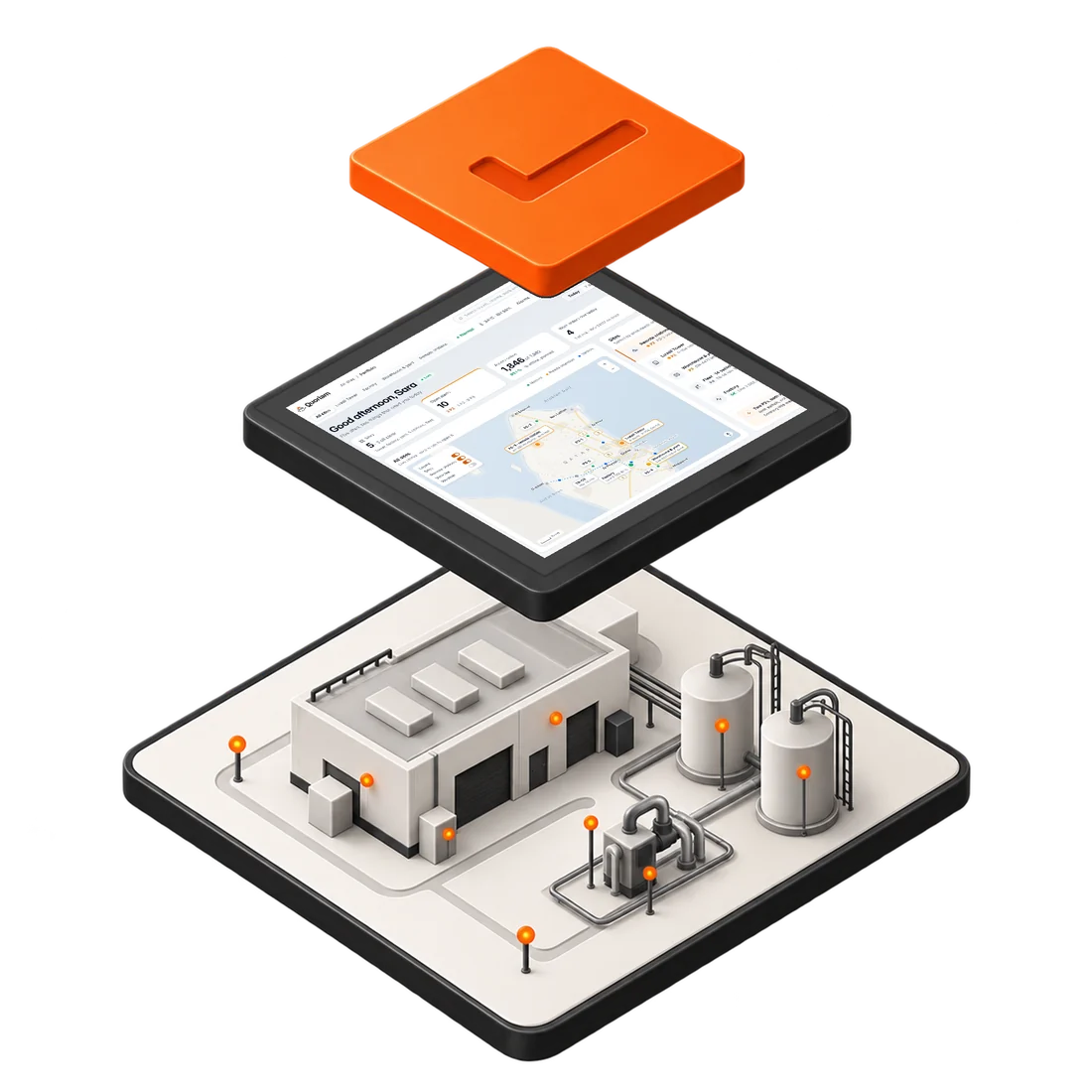
System view
For IT, OT and security reviewers: where the data goes, and how.
- In the groundWireless soil moisture sensors; irrigation flow meters
- On siteLoRaWAN gateway; link to the irrigation controller
- NetworkSite LAN or cellular, encrypted and kept apart from the control network
- Quoriam platformOn your premises or cloud hosted in Qatar
- Your team and systemsApp, SMS and email alerts; water use per meter; work orders
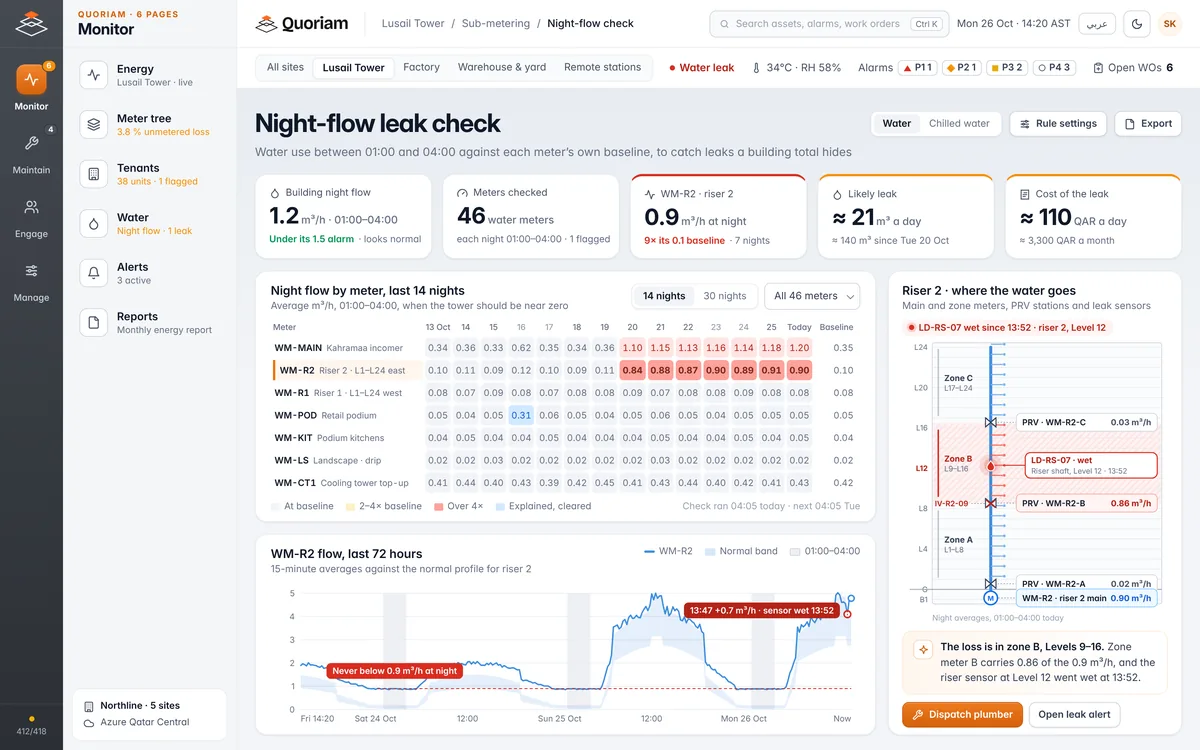
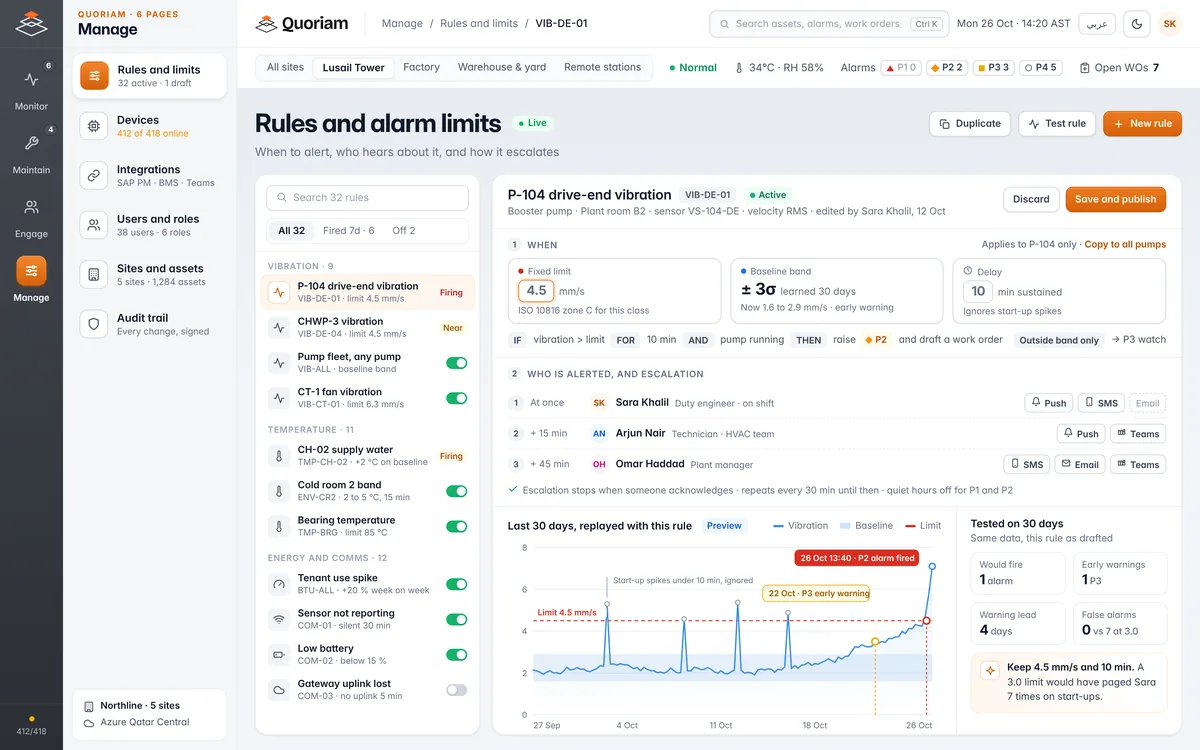
What your team sees.
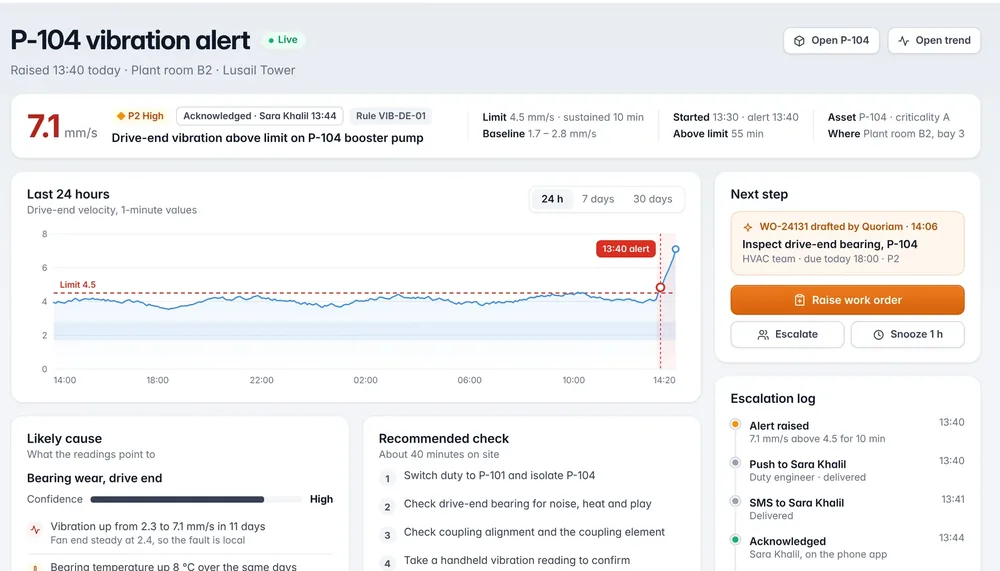
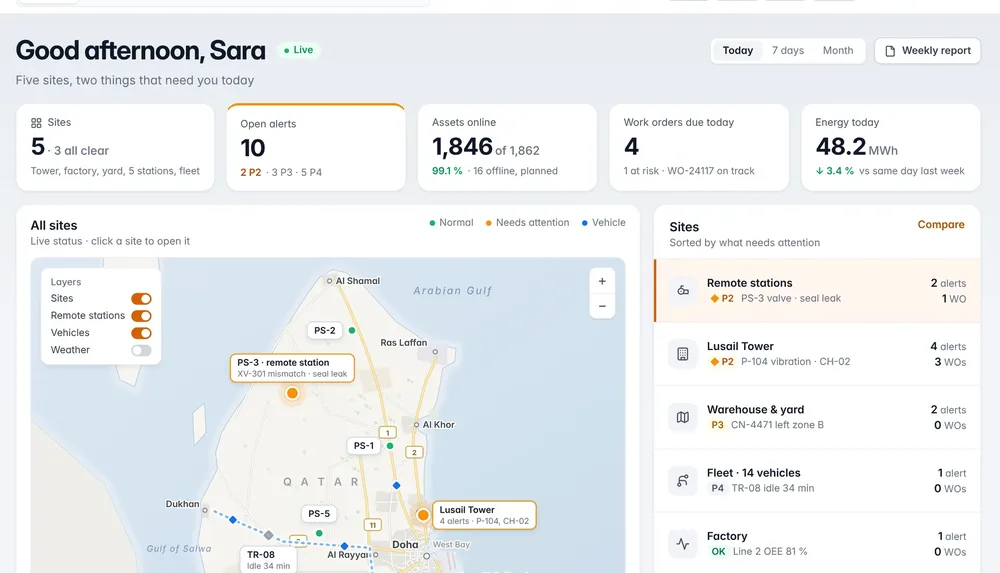
The water used, the rules behind each alert, and the health of every sensor in the ground.
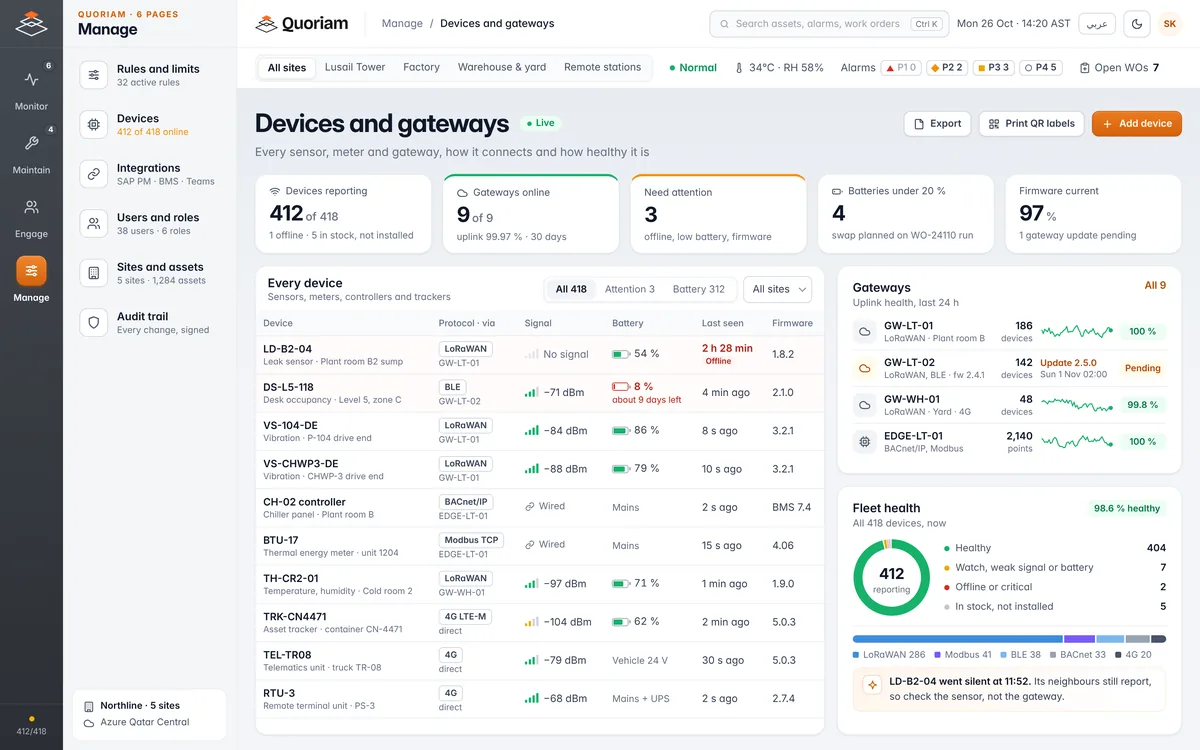
Or just ask.
Quoriam AI answers in plain language and turns the answer into an action.
Where it's used in Qatar.
Anywhere water is bought, pumped or treated before it reaches a plant.
Compounds
Lawns, beds and trees watered by many zones on one site.
Facilities and smart buildingsFarms and greenhouses
Crops on groundwater or treated effluent, where every cubic metre counts.
Agriculture and foodUtility and industrial sites
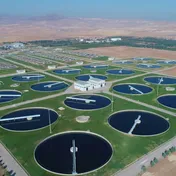
Landscaping around treatment works and plants, often on treated effluent.
Utilities and district cooling
Questions buyers ask.
Something else? Ask us during the free assessment.
How much water can soil moisture sensors save?
It depends on how you water today. The US EPA says replacing a clock-based controller with a WaterSense labelled soil moisture-based controller can cut outdoor water use by 30% (EPA). A University of Florida turf trial measured 69 to 92% savings for three of four sensors against turf watered without them (UF/IFAS). A pilot measures yours.
How many sensors do we need?
Usually a pair of sensors at two spots in each irrigation zone, and more where a zone mixes soil types, sun and shade, or lawn and beds. Large farm fields need a few locations per field. The free assessment walks your zones and gives you the count and the price.
Do the sensors work with treated effluent or saline water?
Yes, with the right type. Salt affects how many sensors read: capacitance sensors cope better than TDR, tensiometers are unaffected, and granular matrix sensors are sensitive to it. We choose the type for your water and soil, and calibrate it to your site.
What hardware do you fit?
Buried wireless soil moisture sensors, a flow meter on each irrigation main, and a LoRaWAN gateway such as the Quoriam Edge QE35, with cellular where the site has no network.
Can it work with our irrigation controller?
Yes, at two levels. A sensor can be wired to the controller's sensor input, so the controller skips a cycle when the soil is moist, as EPA describes. Quoriam then logs each decision and alerts on dry zones. Whether Quoriam can also send run or skip commands depends on the controller.
What does it cost, and can we pilot it first?
The price depends on the number of zones, sensors and meters. The free three-week assessment ends with a fixed price, and a pilot on a few zones through a summer month shows the water saved before you commit.
Related.
Soil monitoring and smart irrigation are part of environmental monitoring on the Quoriam platform.
- Environmental monitoring
Log temperature, humidity and air quality in cold rooms, warehouses and offices, ready for audit.
- Water metering
Smart water meters read remotely, with consumption by building, floor or unit.
- Water leak detection
Leak sensors and night-flow checks that catch a burst before the flood or the bill.
- Agriculture and food
Irrigation, greenhouses and cold storage.
Water the roots, not the drains.
A free three-week assessment. We walk your irrigation zones, read the water you use today and recommend where soil sensors will save most.
We take on two assessments a month.Quoriam is designed to pay back within six months. How we calculate payback